Research purposes only. Products are not for human consumption.Shop Now
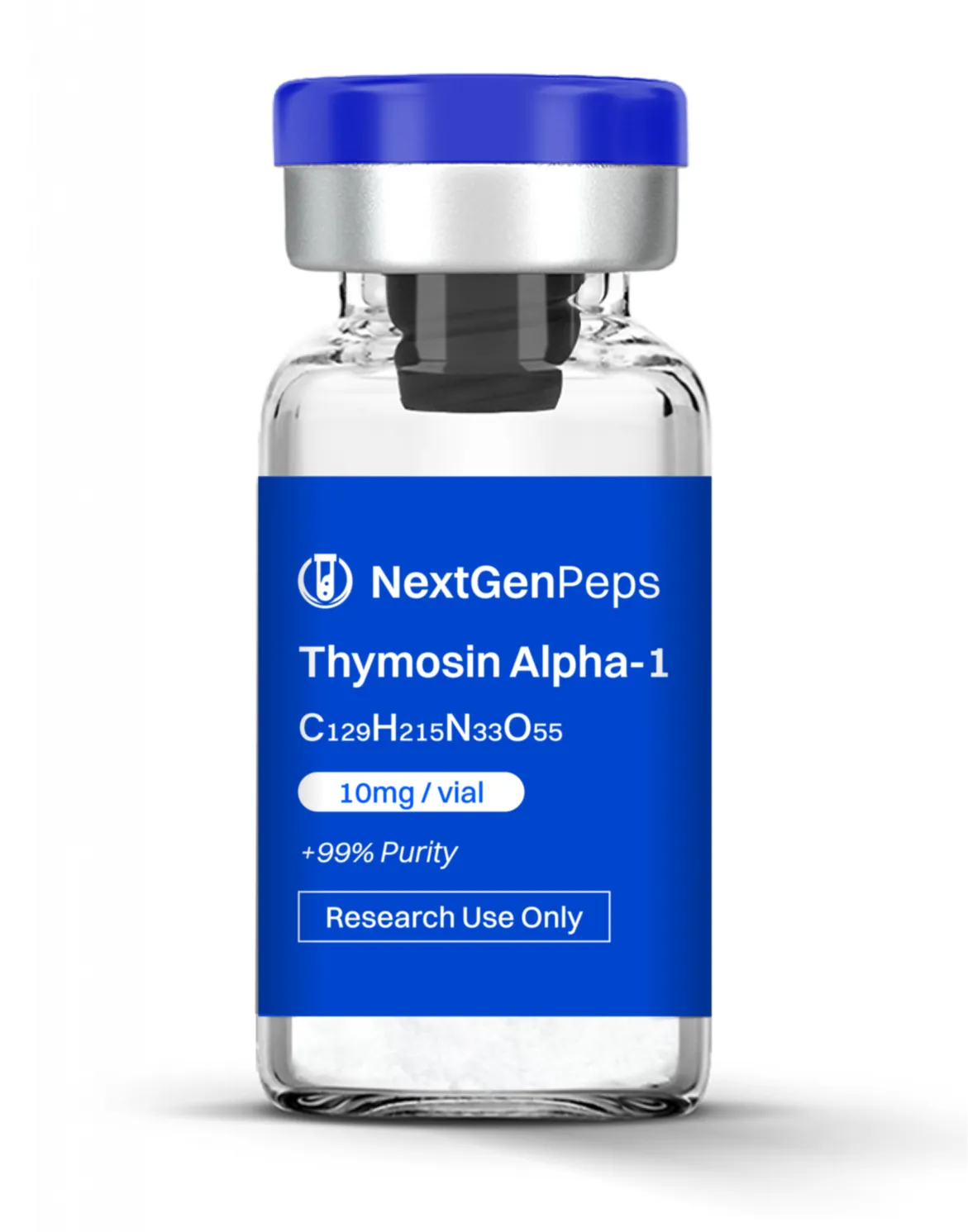
Thymosin Alpha-1 Peptide - 10mg / Vial
99.58% HPLC purityLot-tested · COA below

Thymosin Alpha-1 Peptide

$67.00each · 10mg / Vial

4.8· 4 reviewsout of 5In stock

Buy Thymosin Alpha-1 (thymalfasin), a 10 mg research peptide. 99.58% HPLC purity, endotoxin tested, public COA on every lot. Ships within 24 hours from the US.

Regular price $84.00Sale price $67.00You save $17.00 (20%)
1

Bundle & Save

Need more?

Select and SubscribeSave 20%
Order within 4h 08m to ship Wed, Nov 18Cutoff 5:00 PM PST · ships next business day
U.S. delivery availableFree shipping on orders over $150.00
Reship policyWrong item sent? We reship it free. Transit issues reviewed case by case.

Secure checkout · Visa · Mastercard · American Express · Discover · PayPal · Venmo · Apple Pay

Test results · tested sample

99.58%

Reported purity · Tested by Bioviridian

Tested
Sep 25, 2026
Labeled
10mg / Vial
Lab
Bioviridian
View certificate (PDF) →

Product details

Thymosin Alpha-1, in brief. Thymosin alpha-1 is a small peptide, 28 amino acids long, first purified from calf thymus, the organ where T cells mature. Its job is to act as an alarm amplifier for the immune system. It helps dendritic cells, the cells that spot invaders and show them to T cells, mature and send out the signal molecule IL-12, and that pushes T cells toward the type of response that clears viruses, fungi and tumor cells. It does not kill microbes itself; it changes how strongly immune cells react to them. In mice, that showed up as more animals surviving fungal infection and endotoxin shock, and as fewer and smaller melanoma tumors. A synthetic version, thymalfasin, is a prescription drug in some countries but is not approved by the FDA. NextGenPeps supplies Thymosin Alpha-1 as a 10 mg lyophilized research peptide, tested by independent labs, for laboratory use only.

What does Thymosin Alpha-1 do?

It turns up immune cell activity rather than acting on a pathogen or a tumor directly. Its effects run mostly through dendritic cells and T cells, which is why it is studied wherever immune responses are too weak, such as infection, sepsis and cancer models.[2,3]

  • Dendritic cells. It helps them mature and raises their IL-12 output, the signal that tells T cells what kind of response to mount.[3]

  • T cells. It shifts the response toward Th1, the arm that handles intracellular microbes, fungi and tumor cells.[3]

  • Whole animals. In mice it increased survival in fungal infection and endotoxin sepsis models and reduced melanoma growth and spread.[3,4,5,6]

Thymosin alpha-1 is not related to thymosin beta-4 (TB-500) despite the shared name; the two are different molecules with different jobs, covered below.

How does Thymosin Alpha-1 work?

It works through the receptors immune cells use to recognize microbes, so it makes those cells react as if a threat were present, more strongly.

In mouse dendritic cells exposed to the mold Aspergillus fumigatus, thymosin alpha-1 drove maturation and IL-12 production through Toll-like receptors and the adaptor protein MyD88, with downstream activation of the p38 MAPK and NF-kB pathways. In the same study it activated Th1-dependent antifungal immunity and sped up recovery of myeloid cells.[3] In plasmacytoid dendritic cells, the expansion it causes depends on TLR9 and type I interferon signaling.[2] Its exact receptor target is still not pinned down.
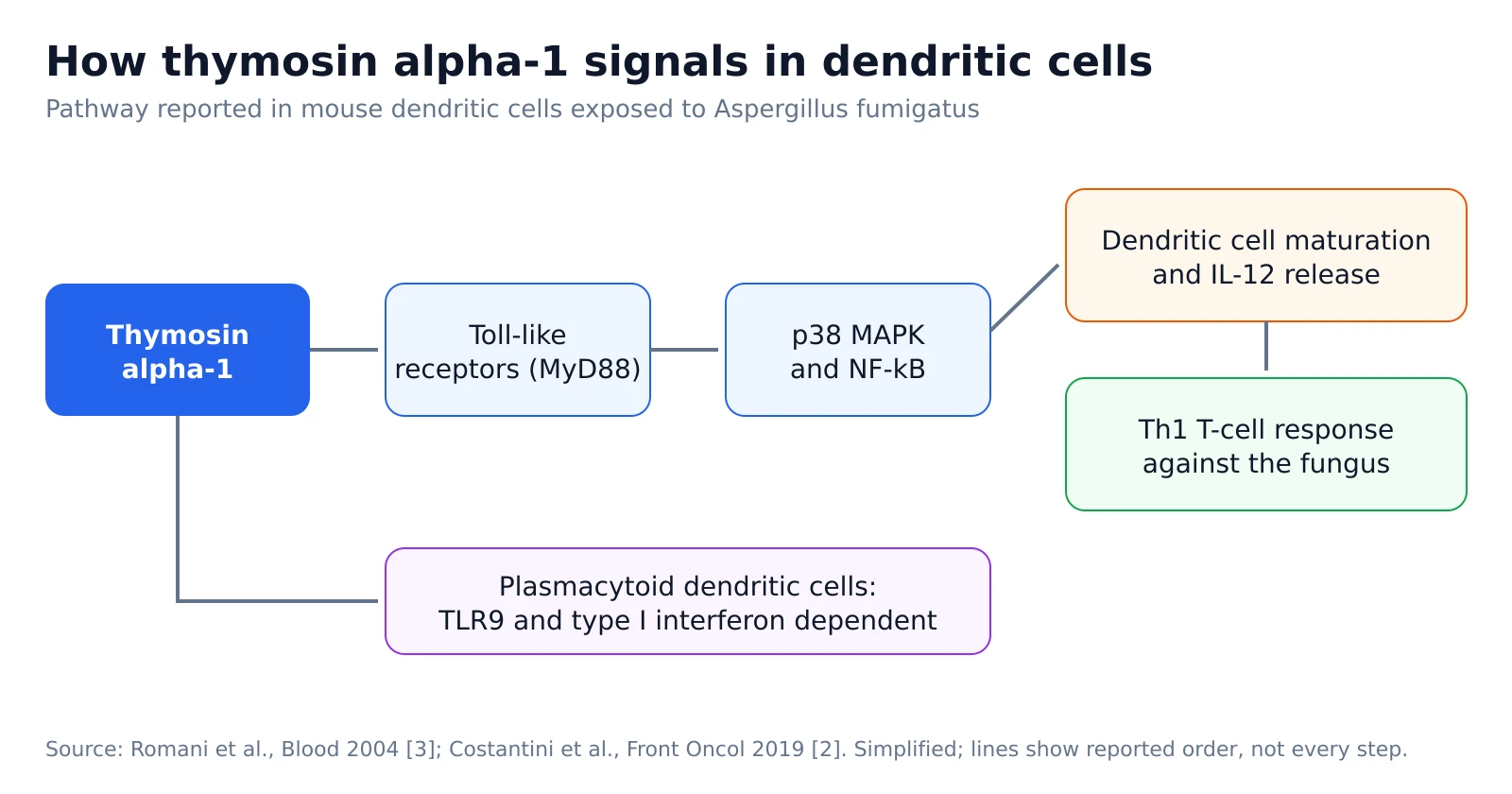
Diagram: thymosin alpha-1 acts through Toll-like receptors and MyD88, then p38 MAPK and NF-kB, leading to dendritic cell maturation, IL-12 release and a Th1 T-cell response; a separate branch shows plasmacytoid dendritic cell expansion that depends on TLR9 and type I interferon.

Figure 1. How thymosin alpha-1 signals in dendritic cells. Simplified pathway from mouse dendritic cell work, Romani et al. 2004, with the plasmacytoid dendritic cell branch from Costantini et al. 2019.[2,3]

What did Thymosin Alpha-1 do in animal studies?

In mice it kept more animals alive through severe infection and endotoxin shock, and it slowed melanoma. The results come from a handful of studies, often small, and some from authors with declared industry links.

Endotoxin sepsis. C57BL/6J mice were given bacterial endotoxin (LPS, 10 mg/kg) to induce sepsis, 18 per group. Every untreated septic mouse was dead by 24 hours. At 72 hours, 55.6% of the thymosin alpha-1 group were alive, against 27.8% with hydrocortisone and 83.3% with both together.[6]
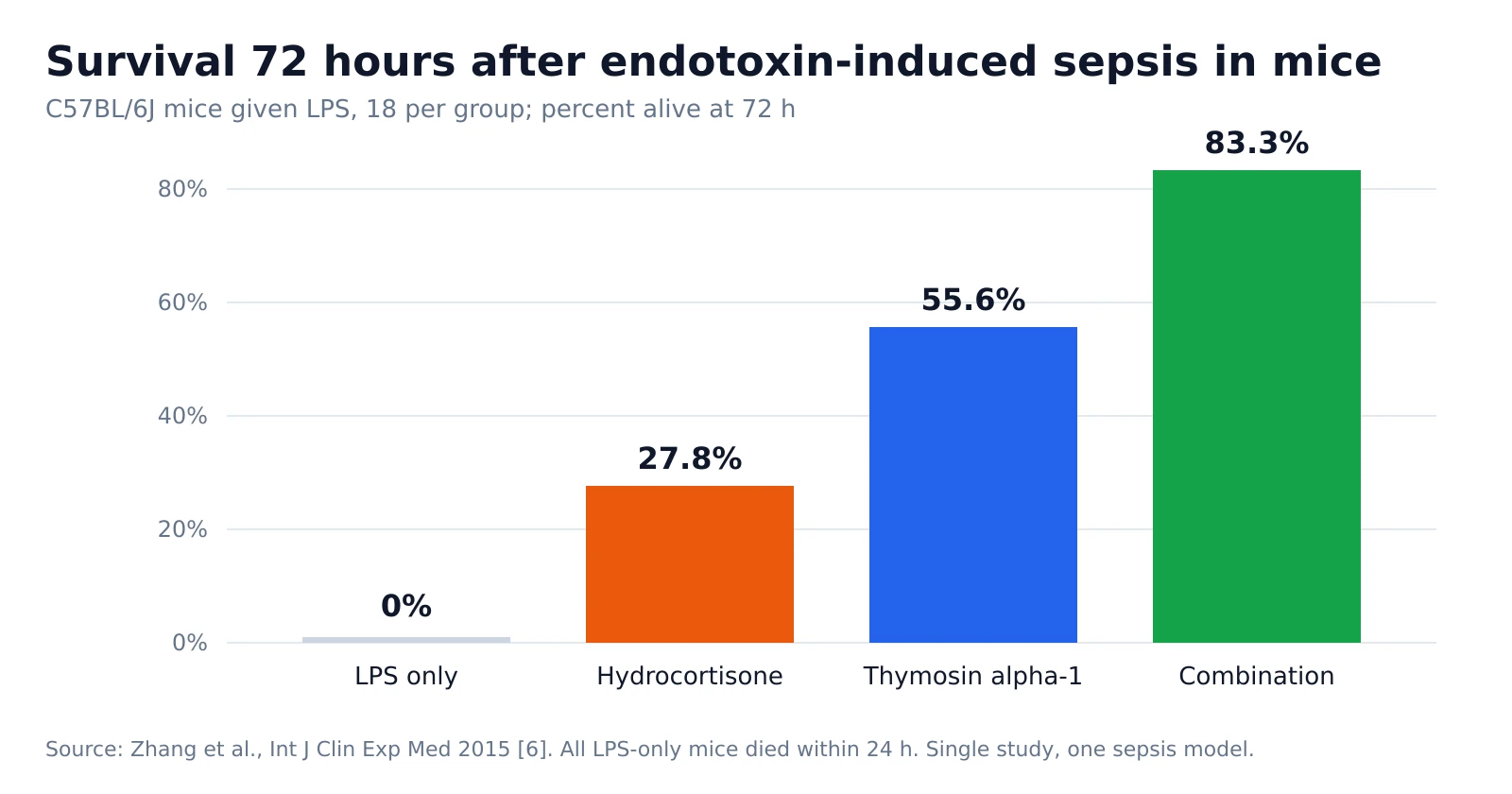
Bar chart of mouse survival at 72 hours after LPS sepsis: LPS only 0%, hydrocortisone 27.8%, thymosin alpha-1 55.6%, thymosin alpha-1 plus hydrocortisone 83.3%.

Figure 2. Survival after endotoxin-induced sepsis in mice. Percent of mice alive 72 hours after LPS, 18 per group, from Zhang et al. 2015.[6] One study in one sepsis model.

Fungal infection. In mice infected intravenously with Candida albicans, thymosin alpha-1 given before infection protected against lethal infection, and it reversed the extra susceptibility caused by the immune-suppressing drug cyclophosphamide. Given only after infection, it gave no protection at any dose tested.[4] In mice that had received bone marrow transplants, a model highly susceptible to aspergillosis, it protected against Aspergillus infection.[3]

Melanoma. In a mouse B16 melanoma lung metastasis model, thymosin alpha-1 alone reduced metastases by 32%. In a B16 tumor growth model it reduced tumor growth by 34% to 46%, depending on the dose. In a cecal ligation and puncture sepsis model run in the same report, survival and bacterial load only trended in its favor.[5]
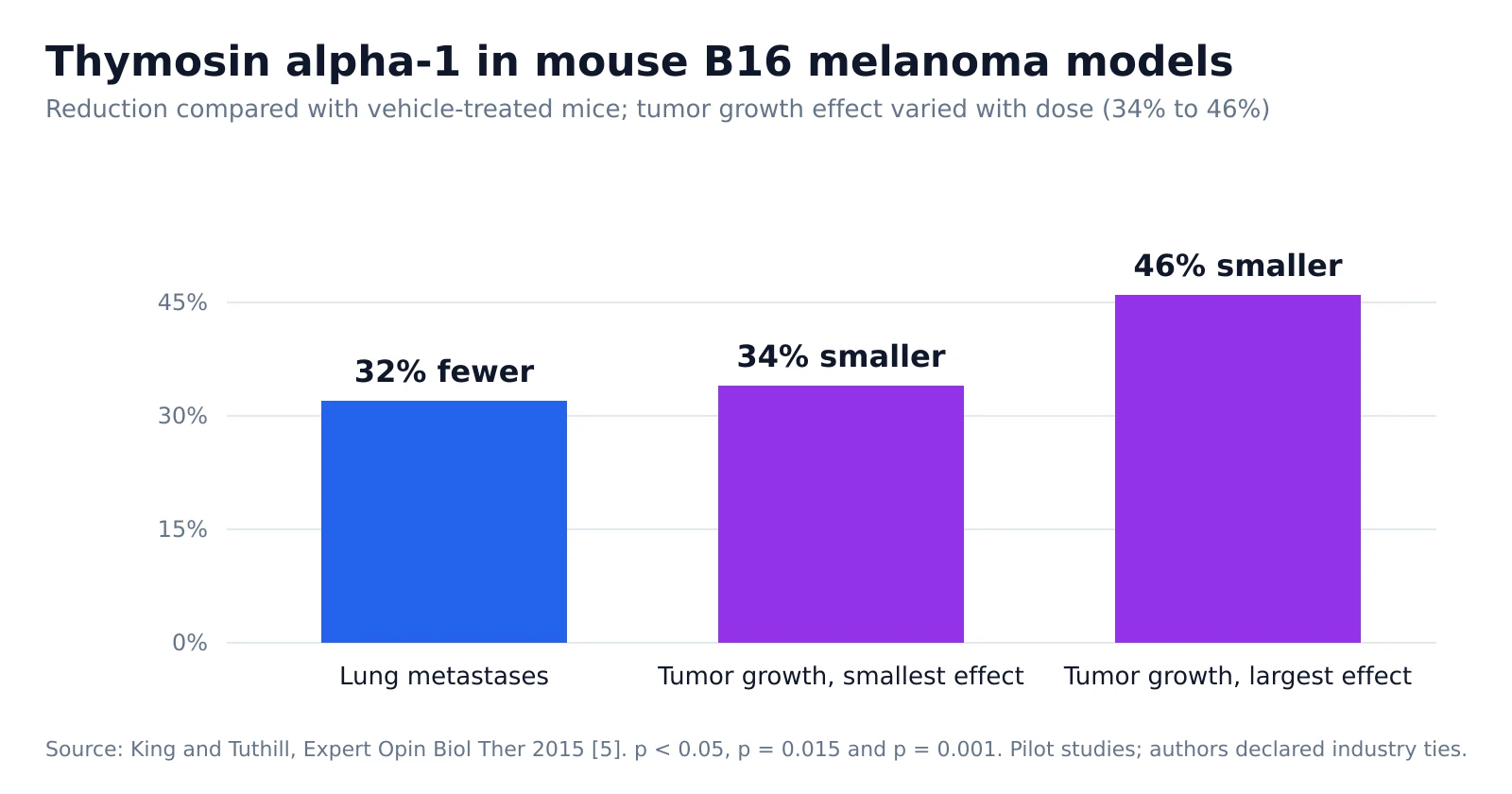
Bar chart of B16 melanoma results in mice: lung metastases 32% fewer, tumor growth 34% smaller at the smallest effect and 46% smaller at the largest effect, compared with vehicle.

Figure 3. Thymosin alpha-1 in mouse melanoma models. Reductions compared with vehicle, from King and Tuthill 2015, described by the authors as pilot studies.[5]

Thymosin Alpha-1 in clinical trials

Clinical results are mixed: an early sepsis trial suggested a benefit, and a larger placebo-controlled trial did not confirm it.

In the ETASS severe sepsis trial (Critical Care 2013, 361 participants, single-blind with no placebo), 28-day mortality was 26.0% with thymosin alpha-1 and 35.0% in the control group, a relative risk of 0.74 (95% CI 0.54 to 1.02).[7] The later TESTS trial (BMJ 2025) was double-blind and placebo controlled across 22 centers, with 1,089 participants in the main analysis. 28-day mortality was 23.4% with thymosin alpha-1 and 24.1% with placebo (hazard ratio 0.99, 95% CI 0.77 to 1.27), and the authors found no clear evidence of a mortality benefit.[8]

Thymosin Alpha-1 vs Thymosin Beta-4 (TB-500)

They share a name because both were first found in thymus extracts, but they are unrelated molecules that are studied for different things.

  • Size. Thymosin alpha-1 is 28 amino acids (3,108 Da); thymosin beta-4 is 43 amino acids (about 4,963 Da).[1,9]

  • Main role. Thymosin alpha-1 is an immune signal acting on dendritic cells and T cells; thymosin beta-4 binds actin inside cells and is studied for cell migration and tissue repair.[2,9]

  • Research focus. Thymosin alpha-1: infection, sepsis, vaccine response and tumor immunity. Thymosin beta-4: wound healing and new blood vessel growth.[9]

  • Status. Thymalfasin is a prescription drug in some countries outside the US. Thymosin beta-4 is not an FDA-approved drug and is on the World Anti-Doping Agency Prohibited List.

NextGenPeps carries both; see the TB-500 page for thymosin beta-4. KPV and LL-37 are other immune-related peptides on this store.

What is Thymosin Alpha-1 made of?

It is a single short chain of 28 amino acids with an acetyl group capping the first one, and no disulfide bonds or sugars.

Goldstein and colleagues isolated and sequenced it from calf thymus in 1977, describing a heat-stable, highly acidic peptide of 28 residues.[1] Its N-terminal serine is acetylated.[2] The sequence is Ac-Ser-Asp-Ala-Ala-Val-Asp-Thr-Ser-Ser-Glu-Ile-Thr-Thr-Lys-Asp-Leu-Lys-Glu-Lys-Lys-Glu-Val-Val-Glu-Glu-Ala-Glu-Asn-OH, molecular formula C129H215N33O55, with a molecular weight of about 3,108 Da.[2] Many glutamate and aspartate residues make it strongly acidic. Thymalfasin is the synthetic version of this same sequence.

Thymosin Alpha-1 at a glance

  • Compound: Thymosin alpha-1 (thymalfasin, Ta1)

  • Class: Acetylated thymic peptide; immune modulator acting through Toll-like receptor signaling in dendritic cells

  • Sequence: Ac-SDAAVDTSSEITTKDLKEKKEVVEEAEN-OH (28 residues)[1]

  • Molecular formula: C129H215N33O55

  • Molecular weight: About 3,108 Da[2]

  • Strength: 10 mg per vial

  • Identity and purity: Identity by LC-MS/MS and purity by RP-HPLC at 214 nm; 99.58% on the current lot (September 25, 2026). The earlier January 2026 lot recorded 99.62%. Both certificates are in the COA library

  • Endotoxin: Under 0.05 EU/ml on the current lot, per USP <85>. The January 2026 lot was not endotoxin tested

  • Appearance: White lyophilized powder, sealed vial

  • Reconstitution: Sterile or bacteriostatic water

  • Regulatory status: Not FDA approved; thymalfasin is a prescription drug in some countries outside the US[10,11]

Is Thymosin Alpha-1 FDA approved?

No. Thymosin alpha-1 is not an FDA-approved drug in the United States.

Outside the US, the synthetic form thymalfasin has been licensed as a prescription drug in some countries; Singapore, for example, granted it marketing approval for chronic hepatitis B, as reported in 1997.[10] The FDA lists thymosin alpha-1 among bulk substances that were nominated for pharmacy compounding and then withdrawn (formerly Category 2), noting possible immunogenicity, complexity around peptide impurities and characterisation, and limited safety information. This concerns compounding only and does not make it an approved drug.[11] NextGenPeps sells it strictly for laboratory research.

What is Thymosin Alpha-1 used to study?

Researchers use it as a defined tool for boosting dendritic cell and T-cell responses in models where those responses are weak.

  • Infection models. Fungal, bacterial and viral infection in normal and immune-suppressed animals, including Candida and Aspergillus.[3,4,12]

  • Sepsis. Endotoxin and cecal ligation and puncture models, where it is studied for survival and immune recovery.[5,6]

  • Tumor immunology. Melanoma metastasis and tumor growth, alone and with checkpoint antibodies such as anti-PD-1.[2,5]

  • Dendritic cell and Toll-like receptor signaling. How a peptide shifts IL-12 output and Th1 polarization.[3]

  • Vaccine response. Its potential as an adjuvant that links innate and adaptive immunity.[3,12]

Buying Thymosin Alpha-1 for research: what each vial includes

Each lot is checked for identity, purity and endotoxin by independent labs. The current lot was tested on September 25, 2026: identity by LC-MS/MS, purity by RP-HPLC at 214 nm (99.58%), content by HPLC quantitation, and endotoxin under 0.05 EU/ml per USP <85>. Every certificate is published in the NextGenPeps COA library.

  • Verified identity, purity and endotoxin. 99.58% purity and under 0.05 EU/ml endotoxin on the current lot.

  • US-based fulfillment. Orders ship within 24 hours from the United States, with free US shipping on orders over $150.

  • Research use only. Thymosin Alpha-1 is sold strictly for in vitro and approved animal research. It is not for human or veterinary use and is not sold as a drug, supplement or diagnostic.

Thymosin Alpha-1 handling, storage and analytical notes

Format. Supplied as lyophilized powder in a sealed 10 mg vial and reconstituted with sterile or bacteriostatic water. No dosing instructions are supplied, and none should be taken from the studies above.

Storage. Keep the sealed vial at 2 to 8 °C, or -20 °C for longer holding, protected from light and moisture. After reconstitution hold the solution at 2 to 8 °C and avoid repeated freeze-thaw cycles.

Handling. Confirm concentration against the lot's measured content value rather than the label mass alone, and note the lot number in experimental records so results can be traced to its certificate.

Naming. Thymosin alpha-1, Ta1, TA-1 and thymalfasin all refer to the same 28-residue peptide. It is cut from a larger precursor, prothymosin alpha, and is distinct from thymosin beta-4 (TB-500) and from thymic extracts such as thymosin fraction 5.

What is not established about Thymosin Alpha-1

  • A mortality benefit in sepsis. The larger, placebo-controlled TESTS trial found no clear reduction in 28-day mortality, unlike the earlier single-blind ETASS trial.[7,8]

  • Its direct receptor. Toll-like receptor signaling is involved, but a single defined binding target has not been established.[2,3]

  • How broadly animal results hold. Many animal studies are small and test a single model, and some come from authors with declared links to the drug's developer.[5,6]

  • Research-grade equivalence. Research peptide is not manufactured to pharmaceutical standards, so results from licensed thymalfasin do not automatically transfer.


Research Use Only. The statements made within this website have not been evaluated by the US Food and Drug Administration. These materials are not intended to diagnose, treat, cure or prevent any disease and are not intended for human or veterinary use. Studies described on this page are reported for scientific context and are not guidance of any kind.
Published research

Compound information

Molecular Class
N-terminally acetylated thymic peptide (immune modulator)
Sequence
Ac-SDAAVDTSSEITTKDLKEKKEVVEEAEN-OH (28 residues)
Molecular Formula
C₁₂₉H₂₁₅N₃₃O₅₅
Molecular Weight
~3,108 Da
Synonyms
Thymalfasin, Ta1, TA-1
Precursor
Prothymosin alpha
Strength
10 mg per vial
Physical Form
White lyophilized powder, sealed vial
Purity
99.58% by RP-HPLC at 214 nm (Sep 25, 2026); identity by LC-MS/MS
Endotoxin
Under 0.05 EU/ml, per USP <85> (current lot)
Regulatory status
Research use only. Not FDA approved; thymalfasin is a prescription drug in some countries outside the US

Storage & stability

  • Lyophilized powder
  • Store cold, protected from light and moisture
  • Avoid repeated freeze-thaw
Lyophilized
2 to 8 °C, or -20 °C for longer holding, in the sealed vial
Reconstituted
2 to 8 °C, protected from light
Reconstitute with
Sterile or bacteriostatic water
Quantitation
Calibrate against the lot's measured content value

Cited literature

  1. 01
    Thymosin alpha1: isolation and sequence analysis of an immunologically active thymic polypeptide

    Goldstein AL, Low TL, McAdoo M, et al. · Proc Natl Acad Sci USA 1977 · PubMed · DOI · Free full text

    Isolation and sequencing of the 28-residue, heat-stable, highly acidic peptide from calf thymus. Purified from a thymic extract, before synthetic thymalfasin existed.

  2. 02
    A reappraisal of thymosin alpha1 in cancer therapy

    Costantini C, Bellet MM, Pariano M, et al. · Front Oncol 2019 · DOI · Free full text

    Review describing Ta1 as an N-terminally acetylated, acidic 28-residue peptide of 3,108 Da, with TLR9 and type I interferon dependent expansion of plasmacytoid dendritic cells and antitumor effects in melanoma models. Narrative review by groups active in Ta1 research.

  3. 03
    Thymosin alpha 1 activates dendritic cells for antifungal Th1 resistance through toll-like receptor signaling

    Romani L, Bistoni F, Gaziano R, et al. · Blood 2004 · DOI

    In mouse dendritic cells exposed to Aspergillus fumigatus, Ta1 drove maturation and IL-12 via MyD88, p38 MAPK and NF-kB, activated Th1 antifungal immunity and protected transplanted mice from aspergillosis. Mouse data; the abstract gives no survival percentages.

  4. 04
    Increase of mouse resistance to Candida albicans infection by thymosin alpha 1

    Bistoni F, Marconi P, Frati L, Bonmassar E, Garaci E · Infect Immun 1982 · PubMed · DOI

    Ta1 given before intravenous Candida infection protected mice from lethal infection and reversed cyclophosphamide-induced susceptibility; treatment only after infection gave no protection. Abstract does not report survival percentages.

  5. 05
    Evaluation of thymosin alpha 1 in nonclinical models of the immune-suppressing indications melanoma and sepsis

    King RS, Tuthill C · Expert Opin Biol Ther 2015 · PubMed · DOI

    Ta1 cut B16 lung metastases by 32% and tumor growth by 34 to 46% depending on dose; in a cecal ligation and puncture sepsis model survival only trended upward. Pilot studies by authors with declared links to the drug's developer.

  6. 06
    Effects of combined thymosin and hydrocortisone on immune response in septic mice

    Zhang D, Zhou Y, Cheng Q · Int J Clin Exp Med 2015 · PubMed · Free full text

    In LPS-septic C57BL/6J mice (n=18 per group), 72-hour survival was 55.6% with Ta1, 27.8% with hydrocortisone and 83.3% combined; untreated septic mice all died by 24 hours. Single small study in one endotoxin model.

  7. 07
    The efficacy of thymosin alpha 1 for severe sepsis (ETASS): a multicenter, single-blind, randomized and controlled trial

    Wu J, Zhou L, Liu J, et al. · Crit Care 2013 · PubMed · DOI · Free full text

    Severe sepsis trial in 361 participants: 28-day mortality 26.0% with Ta1 against 35.0% in controls (relative risk 0.74, 95% CI 0.54 to 1.02). Single-blind with no placebo; not confirmed by the later TESTS trial.

  8. 08
    The efficacy and safety of thymosin alpha1 for sepsis (TESTS): multicentre, double blinded, randomised, placebo controlled, phase 3 trial

    Wu J, Pei F, Zhou L, et al. · BMJ 2025 · PubMed · DOI

    1,106 participants randomized at 22 centers; 28-day mortality 23.4% with Ta1 and 24.1% with placebo (HR 0.99, 95% CI 0.77 to 1.27). No clear mortality benefit; conducted in China only.

  9. 09
    Thymosin beta4: actin-sequestering protein moonlights to repair injured tissues

    Goldstein AL, Hannappel E, Kleinman HK · Trends Mol Med 2005 · PubMed

    Review of thymosin beta-4 as an actin-binding protein linked to cell migration, angiogenesis and tissue repair; used here only to contrast it with thymosin alpha-1. Narrative review.

  10. 10
    Zadaxin approved in Singapore for chronic hepatitis B

    BioWorld · BioWorld 1997

    News report that Singapore's Ministry of Health granted marketing approval to thymalfasin for chronic hepatitis B. One country example only; trade press, not a regulatory document.

  11. 11
    Certain bulk drug substances for use in compounding that may present significant safety risks

    US Food and Drug Administration · FDA, content current as of April 2026

    Lists thymosin alpha-1 among substances nominated for compounding and then withdrawn (formerly Category 2), citing immunogenicity risk, impurity and characterisation complexity, and inadequate safety information. Regulatory status only; the page is updated periodically.

  12. 12
    Thymosin alpha 1: a comprehensive review of the literature

    Dominari A, Hathaway D 3rd, Pandav K, et al. · World J Virol 2020 · PubMed · DOI

    Review of Ta1 across immunodeficiency, cancer, vaccine response, sepsis and infection. Broad narrative review without systematic methods.

Frequently asked questions

How is Thymosin Alpha-1 packaged?

Thymosin Alpha-1 is supplied in the product format and quantity shown for the selected variant. Please inspect the sealed package when it arrives and contact support promptly if the package or labeling appears damaged.

How is Thymosin Alpha-1 shipped?

Orders are shipped within the United States via USPS. Transit times are typically 3–7 business days, depending on destination and carrier conditions. Tracking information is provided when available.

How should Thymosin Alpha-1 be stored?

Storage requirements are product-specific. Keep Thymosin Alpha-1 in its original labeled container and follow the product documentation or manufacturer instructions supplied with the order. Contact support if the applicable storage guidance is not available.

What is the refund policy for Thymosin Alpha-1?

Due to the nature of research materials, NextGenPeps orders are final and are not eligible for refunds, returns, or exchanges. Review the shipping and reship policies before ordering.

Is Thymosin Alpha-1 intended for human use?

No. NextGenPeps materials are supplied strictly for laboratory research and development use and are not intended for human or animal consumption, clinical use, diagnostic use, cosmetic use, or dietary use.

Customer reviews

4.8out of 5 · 4 reviews

Clean Solution

Metals and sterility testing all came back clean and free from all substances that could pollute the Thymosin.

James T.

Well Presented COA

Easy to apply to research with the proper documentation. There were no changes to predicted behavior across different lots, will be reordering

Cameron E.

Great Product

Powder dissolved with ease with gentle swirling, no clumps or issues with reconstitution.

Mae B.

Impressed with the shipping time

Shipping went smooth with ordering multiple peptides. Vials were secured in the packaging and it arrived fast

Yusuf A.

Common research questions

What is Thymosin Alpha-1?

Thymosin alpha-1 is a 28-amino-acid peptide with an acetylated N-terminus, first isolated from calf thymus in 1977. It is cut from a larger precursor, prothymosin alpha, and the synthetic version is called thymalfasin. In research it is used as an immune modulator that acts mainly on dendritic cells and T cells. It is not an FDA-approved drug.

What does Thymosin Alpha-1 do?

In cell and animal studies it makes dendritic cells mature and release IL-12, which pushes T cells toward a Th1 response against microbes and tumor cells. In mice it increased survival in Candida, Aspergillus and endotoxin sepsis models and reduced B16 melanoma metastases by 32%. It does not kill microbes directly; it changes how strongly immune cells respond.

How does Thymosin Alpha-1 work?

It acts through Toll-like receptor signaling: in mouse dendritic cells its effects depended on the adaptor MyD88 and the p38 MAPK and NF-kB pathways. In plasmacytoid dendritic cells its effect depends on TLR9 and type I interferon signaling. A single direct receptor has not been established.

What is the difference between Thymosin Alpha-1 and TB-500?

They are unrelated molecules that share a name because both were found in thymus extracts. Thymosin alpha-1 is a 28-residue immune signaling peptide; TB-500 refers to thymosin beta-4, a 43-residue actin-binding protein studied for cell migration and wound repair (or a short fragment of it). Their research uses barely overlap: immunity and infection for alpha-1, tissue repair for beta-4.

Is Thymosin Alpha-1 FDA approved?

No. Thymosin alpha-1 is not FDA approved in the United States. The synthetic form thymalfasin has been licensed as a prescription drug in some other countries, for example for chronic hepatitis B in Singapore. For pharmacy compounding, the FDA lists it as nominated and then withdrawn (formerly Category 2), citing possible immunogenicity and limited safety information.

What did clinical trials of Thymosin Alpha-1 in sepsis find?

A single-blind severe sepsis trial in 361 participants (ETASS, 2013) reported 28-day mortality of 26.0% with thymosin alpha-1 against 35.0% with standard care. The larger double-blind, placebo-controlled TESTS trial (BMJ 2025, 1,106 participants randomized) found 23.4% against 24.1% (HR 0.99) and no clear mortality benefit. The evidence for sepsis is therefore uncertain.

Frequently Researched with

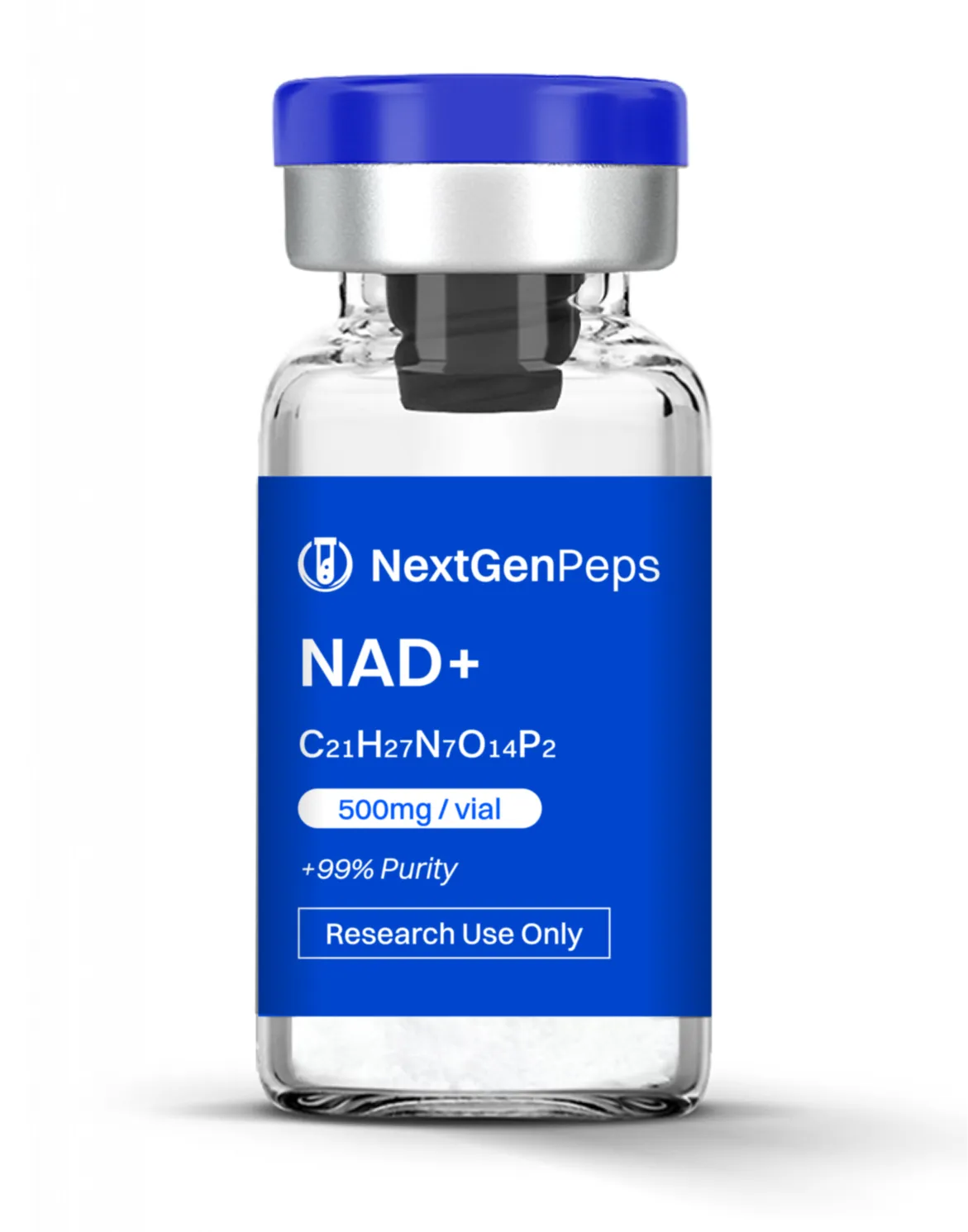
NAD+

✓ 99.81% purity

NAD+

$98.00$78.00

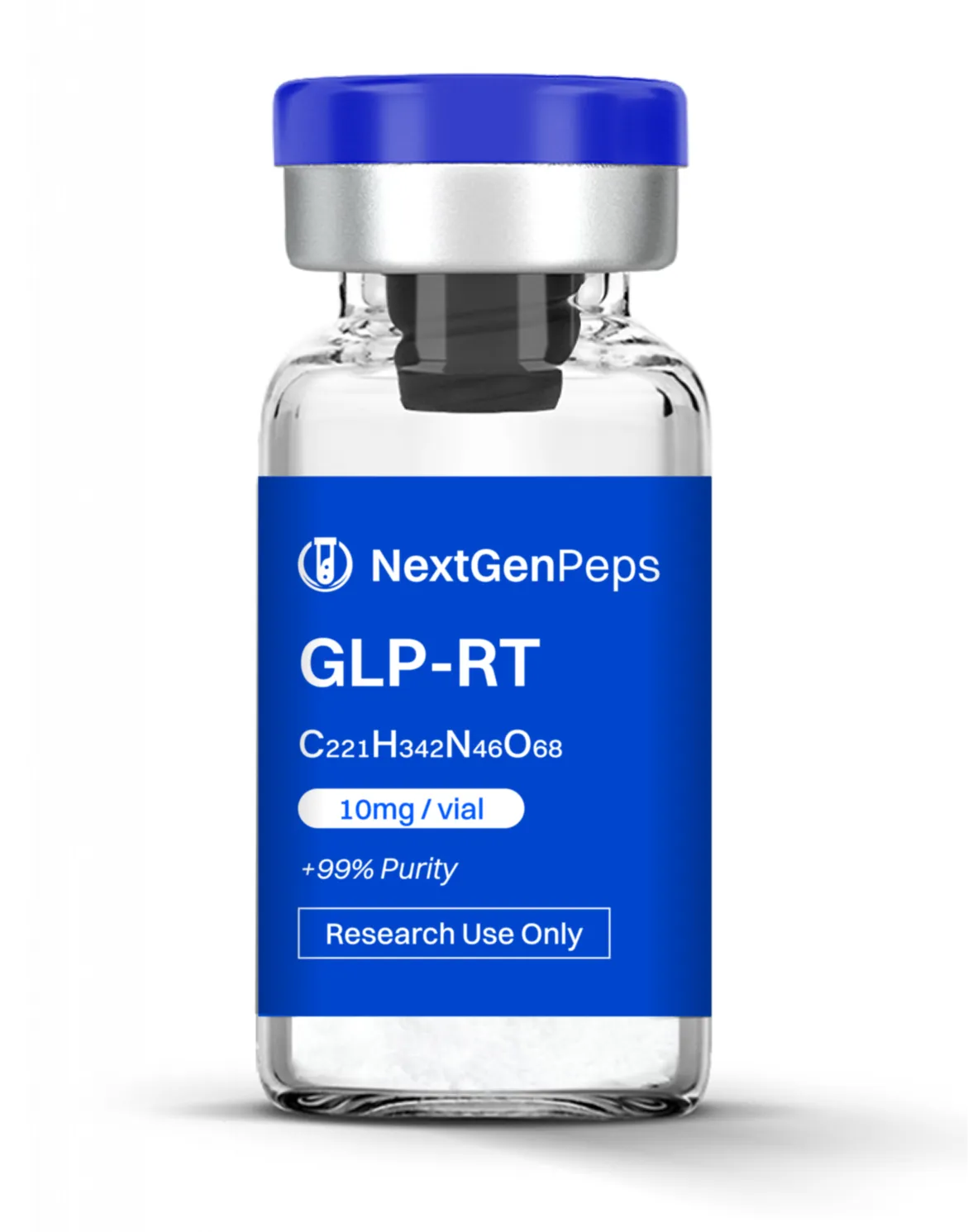
GLP-RT

✓ 99.72% purity

GLP-RT

$89.00$71.00

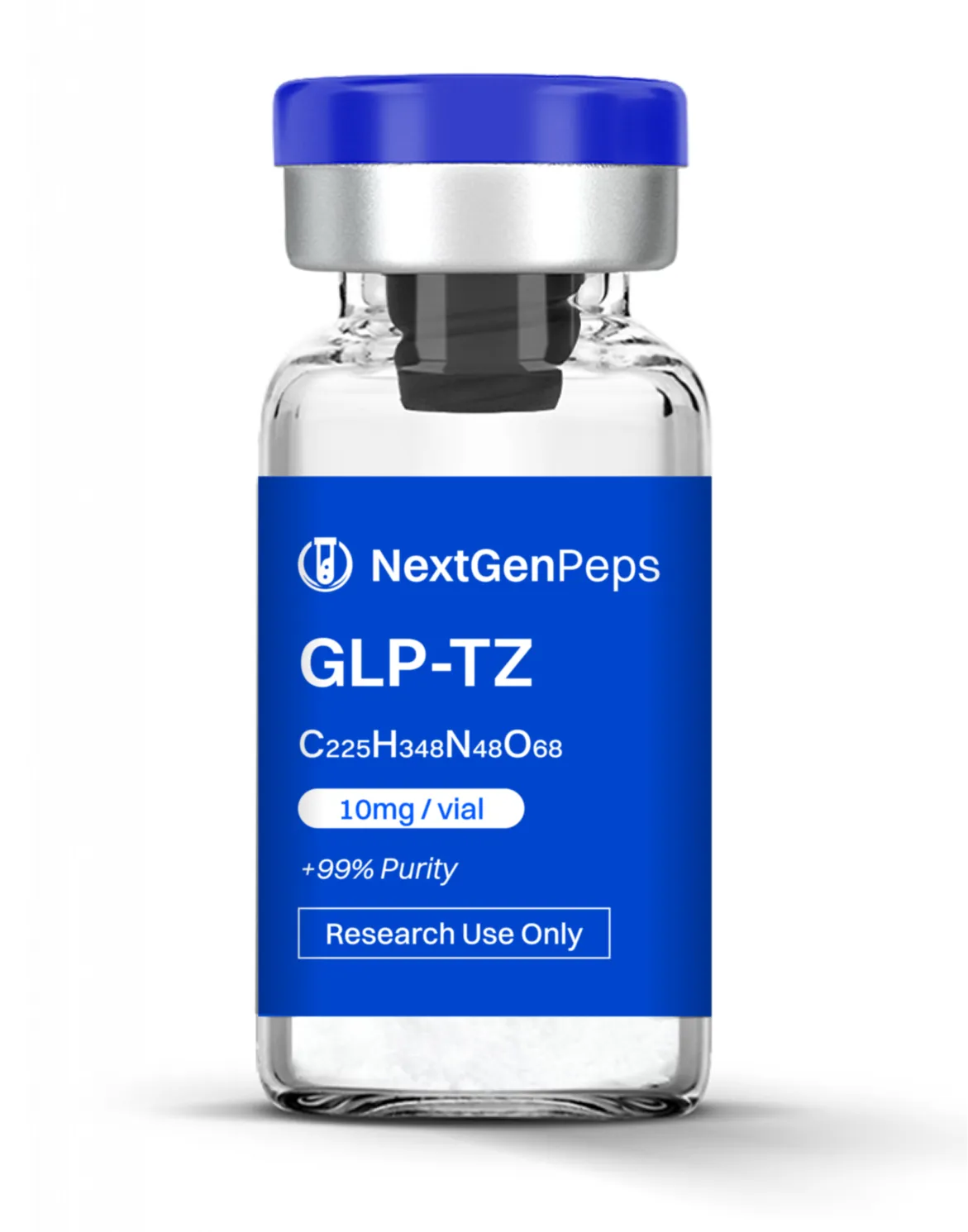
GLP-TZ

✓ 99.76% purity

GLP-TZ

$88.00$70.00

Ipamorelin

✓ 99.78% purity

Ipamorelin

$79.00$63.00

You have an unfinished subscription checkout

Continue your saved checkout, or replace its item with . Your saved selection and existing subscriptions will stay unchanged.

Continue saved checkout
NextGenPeps

Reliable and innovative research with our top-grade research materials and novel research compounds tailored to lead the competitive research industry. Choose research quality. Choose NextGenPeps.

Customer Service: +1 (971) 300-1435

Get 10% Off Your First Order

Sign up now and receive a 10% discount code valid on your next purchase!

Nextgenpeps LLC

The statements made within this website have not been evaluated by the US Food and Drug Administration. The materials offered by this company are not intended to diagnose, treat, cure, or prevent any disease. All research materials on this site are for laboratory research and development use only, and are not intended for human use.

NextGenPeps is a chemical supplier. NextGenPeps is not a compounding pharmacy or chemical compounding facility as defined under 503A of the Federal Food, Drug, and Cosmetic act. NextGenPeps is not an outsourcing facility as defined under 503B of the Federal Food, Drug, and Cosmetic Act.

Privacy PolicyTerms & ConditionsAffiliate Program

501 W Broadway Ste A, San Diego, CA 92101

© 2026 NextGenPeps. All rights reserved.

Visa
American Express
Mastercard
PayPal
Discover
Apple Pay