NOVEMBER SALE - 20% OFF Everything!Shop Now
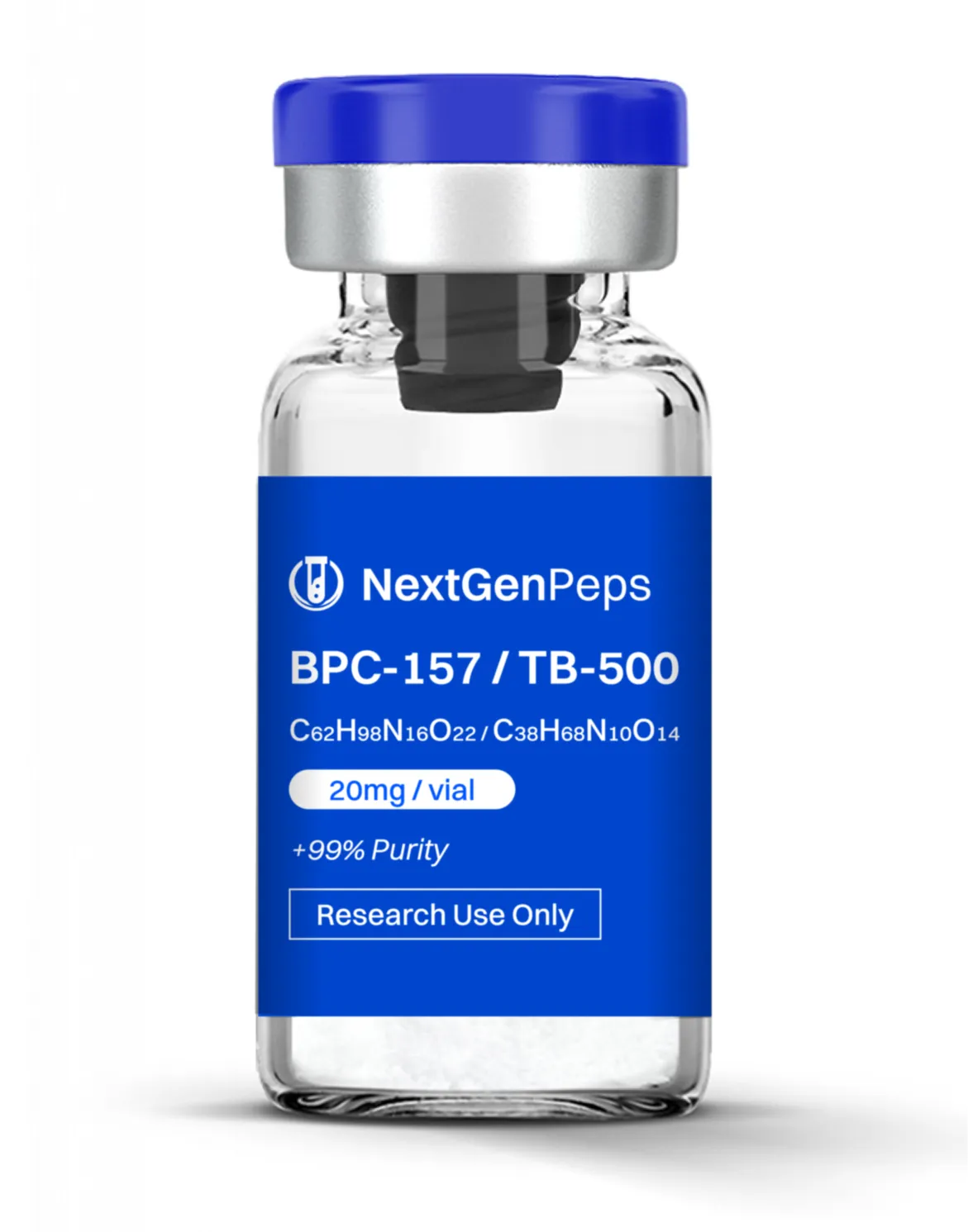
BPC-157/TB-500 Peptide Blend
99.11% / 99.50% HPLC purityLot-tested · COA below

BPC-157/TB-500 Peptide Blend

$74.00each · 10mg / Vial

4.8· 4 reviewsout of 5In stock

Buy BPC-157/TB-500 blend research peptide in 10 mg and 20 mg vials. 99.62% HPLC purity on the 20 mg lot, public COA on every lot. Ships in 24 hours from the US.

Size

Regular price $92.00Sale price $74.00You save $18.00 (20%)
1

Bundle & Save

Need more?

Select and SubscribeSave 20%
Order within 20h 39m to ship Mon, Nov 23Cutoff 5:00 PM PST · ships next business day
U.S. delivery availableFree shipping on orders over $150.00
Reship policyWrong item sent? We reship it free. Transit issues reviewed case by case.

Secure checkout · Visa · Mastercard · American Express · Discover · PayPal · Venmo · Apple Pay

Test results · tested sample

99.11% / 99.50%

Reported purity · Tested by Bioregen

Tested
Jul 17, 2025
Labeled
10mg / Vial
Lab
Bioregen
View certificate (PDF) →

Product details

BPC-157/TB-500, in brief. This product puts two separate research peptides in one vial. BPC-157 is a 15-amino-acid peptide copied from part of a gastric juice protein, and in rat studies it helps new blood vessels reach an injury and helps tendon repair cells move in [2,3,4]. TB-500 is the research name for synthetic thymosin beta-4 or a short piece of it; thymosin beta-4 holds spare actin inside cells and, after injury, helps cells crawl into damaged tissue [5,6]. The idea behind pairing them is that two different repair signals might add up. The one controlled study that tested this directly, a 2026 rat Achilles tendon study, found they did not: the combination did no better than either peptide on its own, and only TB-500 alone made the repaired tendon significantly stronger than untreated controls [1]. Neither peptide is an approved drug, and the evidence for both is almost entirely from animals and cells [8]. NextGenPeps supplies the BPC-157/TB-500 blend as 10 mg and 20 mg lyophilised vials for laboratory use only.

What does the BPC-157/TB-500 blend do?

Each peptide in the vial acts on tissue repair in a different way, and the blend is used to study both at once. BPC-157 work centres on blood vessel growth and on repair cells migrating into an injury; thymosin beta-4 work centres on actin, cell movement and new vessels [2,3,5].

In animal and cell studies, that has looked like this:

  • BPC-157 on its own. Rats with a cut Achilles tendon healed with higher load to failure, better walking function and more collagen than saline controls over 14 days [2].

  • Thymosin beta-4 on its own. Rat full-thickness skin wounds re-covered with new skin 42% more at day 4 and up to 61% more at day 7 than saline-treated wounds [7].

  • The two together. In a 2026 rat tendon repair study, the combination improved tissue scores against untreated controls but did not beat either peptide alone, and on tendon strength it scored slightly below each single peptide [1].

NextGenPeps supplies the blend for in vitro research and approved animal studies only. It is not sold as a drug, supplement or diagnostic.

How do BPC-157 and TB-500 work together?

The short answer is that they act on different steps of repair, but no study has shown that those steps add up when the two are combined.

BPC-157. In cultured endothelial cells BPC-157 raised the amount of VEGFR2, the main receptor for the vessel growth factor VEGF, and switched on the Akt and eNOS chain that produces nitric oxide [4]. In rat tendon fibroblasts it did not speed cell division but increased outgrowth, survival under oxidative stress and migration, through the FAK and paxillin adhesion pathway [3].

Thymosin beta-4. Thymosin beta-4 is the major actin-sequestering molecule in cells: it binds single actin units and keeps them ready for the filaments a cell needs to move [5]. Its seven-residue actin-binding motif, LKKTETQ, matched the full protein in endothelial migration and vessel sprouting assays [6].

Together. Vessel growth, cell migration and collagen remodelling are shared end points of both peptides. The authors of the 2026 tendon study suggested that the lack of an added effect may reflect these shared downstream pathways, but they stated that this needs confirmation [1].

What did the combination do in animal studies?

In the only controlled study of the pair, the combination did no better than either peptide alone. Biçer and colleagues cut and surgically repaired the right Achilles tendon in 32 male Sprague-Dawley rats and split them into four groups of eight: untreated control, BPC-157, TB-500, and BPC-157 plus TB-500, each given daily for four weeks. Four tendons per group went to mechanical testing and four to histology [1].

Tendon strength. The repaired tendons were pulled until they failed. Median load to failure was 26.9 N in controls, 37.2 N with BPC-157, 37.4 N with TB-500 and 34.5 N with the combination (Figure 1). Only TB-500 versus control reached significance (adjusted p=0.04); BPC-157 versus control did not (p=0.39), and the combination did not differ from either peptide alone [1].
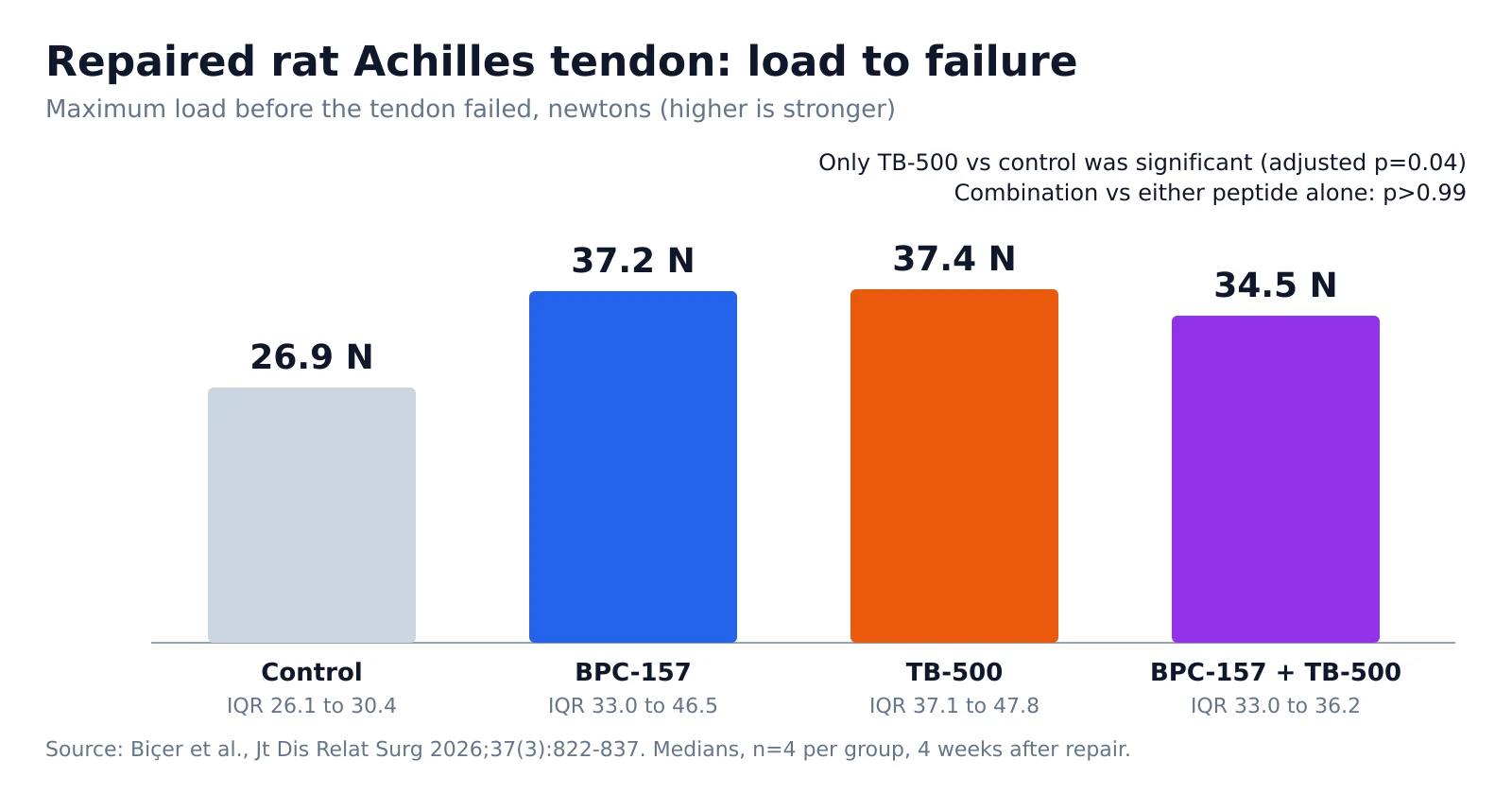
Bar chart of median load to failure of repaired rat Achilles tendons after four weeks: control 26.9 newtons, BPC-157 37.2, TB-500 37.4, and BPC-157 plus TB-500 34.5; only TB-500 versus control was significant.

Figure 1. Repaired tendon strength at four weeks. Median maximum load to failure, n=4 per group, with interquartile ranges. The combination was not stronger than either peptide alone. Source: Biçer et al., 2026.[1]

Tendon tissue. Two pathology scores rate how disorganised healing tendon looks, so lower is better. On the Bonar score (0 to 12) medians were 9.5 for controls, 5.0 for BPC-157, 4.0 for TB-500 and 4.5 for the combination; only TB-500 differed significantly from control (p=0.016). On the Movin score (0 to 24) medians were 18.0, 9.5, 8.0 and 8.0; TB-500 (p=0.017) and the combination (p=0.040) differed from control, BPC-157 did not (Figure 2) [1].
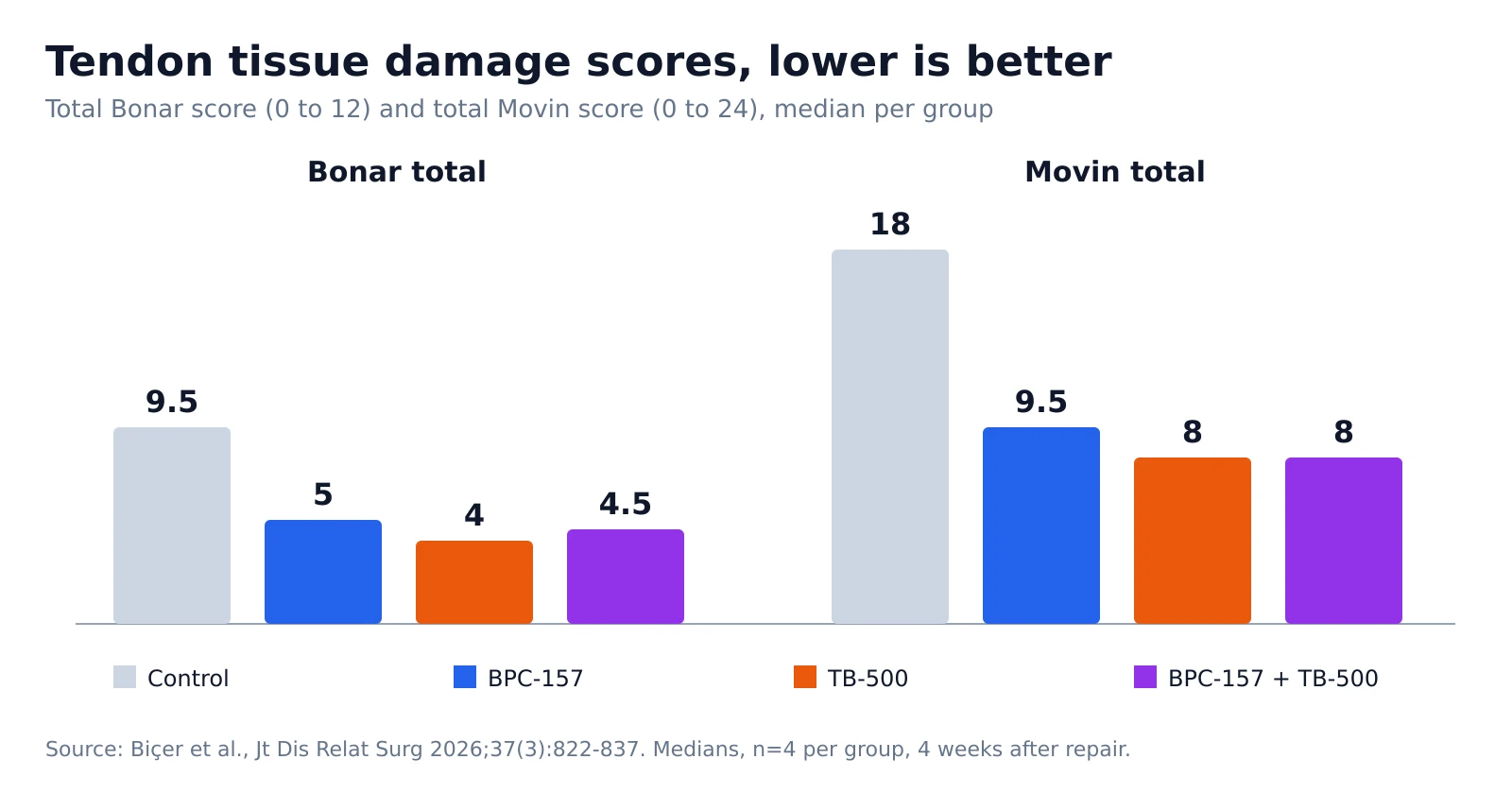
Bar chart of median tendon histology scores at four weeks: Bonar total 9.5 control, 5 BPC-157, 4 TB-500, 4.5 combination; Movin total 18 control, 9.5 BPC-157, 8 TB-500, 8 combination.

Figure 2. Tendon tissue scores at four weeks. Median total Bonar and Movin scores, n=4 per group; lower means better-organised tissue. TB-500 alone and the combination scored about the same. Source: Biçer et al., 2026.[1]

Collagen. Collagen type I staining did not differ between groups. Collagen type III, the early repair collagen, was highest with TB-500 alone (median H-score 72.5 against 12.5 in controls) and intermediate with the combination (37.5) [1].

The authors called the study exploratory and hypothesis-generating. With four tendons per test, a modest added effect could have been missed, and the paper does not state whether its TB-500 was full-length thymosin beta-4 or a fragment [1].

BPC-157 vs TB-500

They are different molecules, and in the one head-to-head tendon study TB-500 alone did at least as well as BPC-157 alone [1].

  • Size. BPC-157 is 15 amino acids (1419.5 g/mol). Full-length thymosin beta-4 is 43 residues (4963.5 g/mol); the LKKTETQ fragment also sold as TB-500 is seven residues (about 847 to 889 g/mol).

  • Origin. BPC-157 is a partial sequence of a gastric juice protein. Thymosin beta-4 occurs in almost every cell [5].

  • Main studied action. BPC-157: VEGFR2 signalling and tendon fibroblast migration [3,4]. Thymosin beta-4: actin binding, cell migration and new vessel growth [5,6].

  • In the 2026 tendon study. TB-500 alone significantly raised load to failure and improved the Bonar and Movin scores against controls; BPC-157 alone showed non-significant improvements [1].

What is the BPC-157 and TB-500 pairing called?

The pairing is often called the "Wolverine stack", an informal online nickname rather than a scientific or product name, and NextGenPeps does not use it to describe any effect. The controlled evidence on the combination is limited to the 2026 rat tendon study described above, which found no added benefit over either peptide alone [1].

What is the BPC-157/TB-500 blend made of?

Two peptides, lyophilised together in one vial.

BPC-157 is a linear 15-residue peptide, GEPPPGKPADDAGLV, with formula C62H98N16O22, molecular weight 1419.5 g/mol and CAS number 137525-51-0.

TB-500 is a name used for two different molecules. One is synthetic full-length thymosin beta-4, Ac-SDKPDMAEIEKFDKSKLKKTETQEKNPLPSKETIEQEKQAGES (43 residues, 4963.5 g/mol, CAS 77591-33-4). The other is the seven-residue actin-binding motif LKKTETQ, residues 17 to 23 of the protein, which is what the FDA's 2026 compounding notices call TB-500 [10]. The two are not interchangeable on a milligram basis.

Which TB-500 is in this blend? Mass spectrometry distinguishes the two forms: a component near 4963 Da is full-length thymosin beta-4, while one near 847 or 889 Da is the LKKTETQ fragment. Identity results for each lot are on its certificate in the NextGenPeps COA library, and studies using this blend should record which form the certificate shows.

BPC-157/TB-500 at a glance

  • Compound: BPC-157/TB-500 blend, two peptides co-lyophilised in one vial

  • Class: Synthetic pentadecapeptide (BPC-157) plus a thymosin beta-4 derived peptide (TB-500)

  • BPC-157 sequence: Gly-Glu-Pro-Pro-Pro-Gly-Lys-Pro-Ala-Asp-Asp-Ala-Gly-Leu-Val (GEPPPGKPADDAGLV); 1419.5 g/mol

  • TB-500: Thymosin beta-4 derived peptide; full length is 4963.5 g/mol, the LKKTETQ fragment about 847 to 889 g/mol

  • Strength: 10 mg or 20 mg blend per vial

  • Identity and purity: 20 mg lot: identity by LC-MS/MS and purity 99.62% by RP-HPLC at 214 nm (September 25, 2026). 10 mg lot: 99.11% and 99.50% for the two components by UHPLC with mass spectrometry (July 17, 2025). Both certificates are in the COA library

  • Endotoxin: 20 mg lot under 0.05 EU/ml per USP <85>; the 10 mg lot certificate does not include an endotoxin test

  • Appearance: White lyophilised powder, sealed vial

  • Reconstitution: Sterile or bacteriostatic water

  • Half-life: BPC-157 under 30 minutes in rats and dogs [9]; not established for the blend

  • Regulatory status: Neither peptide is an FDA-approved drug. Both are prohibited in sport by the World Anti-Doping Agency [12]

Is BPC-157/TB-500 legal or FDA approved?

Neither peptide is an FDA-approved drug, and the blend is sold here only as a research material.

On April 15, 2026, the FDA said it would remove twelve peptides, including BPC-157 and the thymosin beta-4 fragment LKKTETQ ("TB-500"), from Category 2 of its interim list of bulk substances for compounding, the category for substances with significant safety concerns. Removal did not by itself make them eligible for compounding [10]. At its July 23, 2026 meeting, the FDA's Pharmacy Compounding Advisory Committee voted 8 to 6, with one abstention, to recommend BPC-157, KPV and TB-500 for compounding. The vote is not binding, and the FDA must still complete rulemaking [11]. These actions concern each peptide as a single substance, not a combination product.

In sport, the World Anti-Doping Agency prohibits BPC-157 as a non-approved substance (class S0) and thymosin beta-4 and its derivatives as growth factor modulators [12].

What is BPC-157/TB-500 used to study?

Researchers use the blend where the question is how two repair signals interact, or whether combining them changes the result.

  • Combination versus single agents. Tendon repair models with four arms (control, each peptide, both) of the kind used in the 2026 rat study [1].

  • Tendon and ligament healing. Biomechanical, histological and collagen-typing end points after transection and repair [1,2,8].

  • Cell migration. Tendon fibroblast outgrowth and FAK-paxillin signalling (BPC-157) alongside actin handling (thymosin beta-4) [3,5].

  • Angiogenesis. VEGFR2 signalling and endothelial sprouting assays [4,6].

  • Wound healing. Skin wound closure models where thymosin beta-4 has documented effects [7].

Buying BPC-157/TB-500 for research: what each vial includes

Every lot is tested by independent labs and the certificate of analysis is published in the NextGenPeps COA library. The current 20 mg lot was tested on September 25, 2026: identity by LC-MS/MS, purity by RP-HPLC at 214 nm (99.62%), content by HPLC quantitation, and endotoxin under 0.05 EU/ml per USP <85>. The current 10 mg lot was tested on July 17, 2025 by UHPLC with mass spectrometry, at 99.11% and 99.50% for its two components.

  • Verified identity and purity. Over 99% purity on both current lots, with endotoxin results on the 20 mg certificate.

  • Two strengths. 10 mg and 20 mg vials of lyophilised blend.

  • US-based fulfilment. Orders ship within 24 hours from the United States, with free US shipping on orders over $150.

  • Research use only. The blend is sold strictly for in vitro and approved animal research. It is not for human or veterinary use and is not sold as a drug, supplement or diagnostic.

BPC-157/TB-500 handling, storage and analytical notes

Format. Supplied as lyophilised powder in a sealed vial and reconstituted with sterile or bacteriostatic water. No dosing instructions are supplied, and none should be taken from the studies above.

Storage. The lot certificates record storage at 2 to 8 °C. Keep the sealed vial cold and protected from light and moisture. After reconstitution, hold the solution at 2 to 8 °C and avoid repeated freeze-thaw cycles.

Two components, one solution. Once reconstituted, both peptides share the same solution, so their ratio is fixed by the vial. Experiments that need to vary one peptide independently, or to include single-peptide arms as in the 2026 study, need the separate products.

Identity check. Mass spectrometry should show BPC-157 near 1419 Da, and the TB-500 component either near 4963 Da (full-length thymosin beta-4) or near 847 or 889 Da (LKKTETQ fragment).

Naming. BPC-157/TB-500 and BPC-157 + TB-500 both refer to this pairing. Other blends add GHK-Cu or KPV and are different products.

What is not established about BPC-157/TB-500

  • A combined benefit. The only controlled study found no added effect over either peptide alone, in one rat tendon model with four tendons per test [1].

  • Which TB-500 the studies used. The 2026 tendon study does not state whether its TB-500 was full-length thymosin beta-4 or a fragment, while the rat wound results for thymosin beta-4 used the full protein [1,7].

  • Interaction in solution. No published data address the stability of the two peptides stored together after reconstitution.

  • Long-term and clinical effects. There are no controlled clinical data for either peptide in tendon repair, and BPC-157 animal studies have not run beyond six weeks [8].


Research Use Only. The statements made within this website have not been evaluated by the US Food and Drug Administration. These materials are not intended to diagnose, treat, cure or prevent any disease and are not intended for human or veterinary use. Studies described on this page are reported for scientific context and are not guidance of any kind.
Published research

Thymosin beta-4 in wound healing

In rat full-thickness wounds, thymosin beta-4 increased re-epithelialization by 42% at day 4 and up to 61% at day 7 versus saline, with more collagen and new vessels.

Thymosin beta4 accelerates wound healing →

Compound information

Molecular class
Two-peptide blend: synthetic pentadecapeptide (BPC-157) and thymosin beta-4 derived peptide (TB-500)
BPC-157 sequence
Gly-Glu-Pro-Pro-Pro-Gly-Lys-Pro-Ala-Asp-Asp-Ala-Gly-Leu-Val (GEPPPGKPADDAGLV)
BPC-157 molecular formula
C₆₂H₉₈N₁₆O₂₂
BPC-157 molecular weight
1419.5 g/mol (CAS 137525-51-0)
TB-500 component
Thymosin beta-4 derived peptide; full-length form 4963.5 g/mol, LKKTETQ fragment about 847 to 889 g/mol. See the lot certificate for identity
Strength
10 mg or 20 mg blend per vial
Physical form
White lyophilised powder, sealed vial
Purity
20 mg lot 99.62% by RP-HPLC at 214 nm, identity by LC-MS/MS (Sep 25, 2026); 10 mg lot 99.11% and 99.50% for the two components by UHPLC-MS (Jul 17, 2025)
Endotoxin
20 mg lot under 0.05 EU/ml per USP <85>; not tested on the 10 mg lot
Regulatory status
Research use only. Neither peptide is FDA-approved; both prohibited by WADA

Storage & stability

  • Lyophilised powder
  • Store cold, protected from light and moisture
  • Avoid repeated freeze-thaw cycles after reconstitution
  • Both peptides share one solution once reconstituted
Lyophilised
2 to 8 °C, sealed, protected from light (as recorded on the lot certificates)
Reconstituted
2 to 8 °C, protected from light
Reconstitute with
Sterile or bacteriostatic water
Identity check
BPC-157 near 1419 Da; TB-500 near 4963 Da (full length) or 847 to 889 Da (LKKTETQ fragment)

Cited literature

  1. 01
    Effects of BPC-157 and TB-500 on Achilles tendon healing in rats: A histopathological and biomechanical study

    Biçer O, Adanir O, Güleryüz Y, Balci EC, Dinçel YM, Yenigün MY, Aydin C, Yaprak Bayrak B · Jt Dis Relat Surg 2026 · DOI · Free full text

    32 rats, four groups: only TB-500 raised load to failure over control (37.4 vs 26.9 N, adjusted p=0.04), and BPC-157 plus TB-500 gave no added benefit over either alone. Exploratory, n=4 per test, TB-500 form not stated.

  2. 02
    Gastric pentadecapeptide BPC 157 accelerates healing of transected rat Achilles tendon and in vitro stimulates tendocytes growth

    Staresinic M, Sebecic B, Patrlj L, et al. · J Orthop Res 2003 · PubMed · DOI

    Rats with a transected Achilles tendon had higher load to failure, better functional index, more collagen and smaller defects with BPC 157 than saline over 14 days. Abstract reports direction, not group values.

  3. 03
    The promoting effect of pentadecapeptide BPC 157 on tendon healing involves tendon outgrowth, cell survival, and cell migration

    Chang CH, Tsai WC, Lin MS, Hsu YH, Pang JH · J Appl Physiol 2011 · PubMed · DOI

    In rat tendon fibroblasts, BPC 157 increased explant outgrowth, survival under oxidative stress and migration via FAK-paxillin, without changing proliferation. In vitro only.

  4. 04
    Therapeutic potential of pro-angiogenic BPC157 is associated with VEGFR2 activation and up-regulation

    Hsieh MJ, Liu HT, Wang CN, et al. · J Mol Med 2017 · PubMed · DOI

    BPC 157 raised VEGFR2 (not VEGF-A), drove VEGFR2 internalisation and Akt-eNOS signalling, and sped blood-flow recovery in rat hind-limb ischemia. The abstract gives no effect sizes.

  5. 05
    Thymosin beta4: actin-sequestering protein moonlights to repair injured tissues

    Goldstein AL, Hannappel E, Kleinman HK · Trends Mol Med 2005 · PubMed · DOI

    Review describing thymosin beta-4 as the major actin-sequestering molecule in eukaryotic cells and its role in skin and corneal wound repair. A narrative review by researchers active in the field.

  6. 06
    The actin binding site on thymosin beta4 promotes angiogenesis

    Philp D, Huff T, Gho YS, Hannappel E, Kleinman HK · FASEB J 2003 · DOI

    The seven-residue actin-binding motif matched full-length thymosin beta-4 in endothelial migration and vessel sprouting assays; peptides lacking part of it were inactive. In vitro and ex vivo assays only.

  7. 07
    Thymosin beta4 accelerates wound healing

    Malinda KM, Sidhu GS, Mani H, Banaudha K, Maheshwari RK, Goldstein AL, Kleinman HK · J Invest Dermatol 1999 · PubMed · DOI

    In rat full-thickness wounds, re-epithelialization rose 42% at day 4 and up to 61% at day 7 versus saline, with more collagen and vessels. A single rat model using the full-length protein.

  8. 08
    Emerging use of BPC-157 in orthopaedic sports medicine: a systematic review

    Vasireddi N, Hahamyan H, Salata MJ, et al. · HSS J 2025 · PubMed · DOI · Free full text

    36 studies: 35 preclinical and one 12-case clinical review. No acute toxicity in animals, no study beyond six weeks, and no clinical safety data. Predates the 2026 combination study.

  9. 09
    Pharmacokinetics, distribution, metabolism, and excretion of body-protective compound 157, a potential drug for treating various wounds, in rats and dogs

    He L, Feng D, et al. · Front Pharmacol 2022 · PubMed · DOI · Free full text

    BPC-157 half-life under 30 minutes in rats and dogs, highest tissue levels in kidney, urine the main excretion route. Single-peptide data from one laboratory; nothing on the blend.

  10. 10
    FDA signals potentially evolving stance toward compounding of certain peptides

    Goodwin Procter LLP · Goodwin, May 2026

    Reports the FDA's April 15, 2026 removal of twelve peptides, including BPC-157 and Thymosin Beta-4 Fragment (LKKTETQ) ("TB-500"), from Category 2. Legal commentary, not the FDA text.

  11. 11
    FDA panel backs 6 peptides for compounding

    AJMC staff · AJMC, July 2026

    The Pharmacy Compounding Advisory Committee voted 8 to 6, with one abstention, to recommend BPC-157, KPV and TB-500. Advisory votes are not binding.

  12. 12
    The 2026 Prohibited List

    World Anti-Doping Agency · WADA, effective January 2026

    Lists BPC-157 among non-approved substances (S0) and thymosin beta-4 and its derivatives, such as TB-500, among growth factor modulators (S2). Section numbering changes with each annual edition.

Frequently asked questions

How is BPC-157 / TB-500 packaged?

BPC-157 / TB-500 is supplied in the product format and quantity shown for the selected variant. Please inspect the sealed package when it arrives and contact support promptly if the package or labeling appears damaged.

How is BPC-157 / TB-500 shipped?

Orders are shipped within the United States via USPS. Transit times are typically 3–7 business days, depending on destination and carrier conditions. Tracking information is provided when available.

How should BPC-157 / TB-500 be stored?

Storage requirements are product-specific. Keep BPC-157 / TB-500 in its original labeled container and follow the product documentation or manufacturer instructions supplied with the order. Contact support if the applicable storage guidance is not available.

What is the refund policy for BPC-157 / TB-500?

Due to the nature of research materials, NextGenPeps orders are final and are not eligible for refunds, returns, or exchanges. Review the shipping and reship policies before ordering.

Is BPC-157 / TB-500 intended for human use?

No. NextGenPeps materials are supplied strictly for laboratory research and development use and are not intended for human or animal consumption, clinical use, diagnostic use, cosmetic use, or dietary use.

Customer reviews

4.8out of 5 · 4 reviews

Couldnt be happier

I thought I'd have trouble reconstituting because of the 2 in 1 but it was the same as usual, saved me some time and money.

Brett W.

High Confidence in Quality

Data from verified analysis shows an exceptional chemical profile in regards to purity. The m/z ratio tops out at 710.3704 to confirm the identity of the compound, while peak analysis verifies purity level of 99.72%

Finn H.

Great Company

Dont see many blends around, theres a good amount of selection on here

Jocelyn A.

Trustworthy

Being able to see the COA is what sold me. It seems like too many companies have something to hide and I trust the honesty of making it public.

Kieran S.

Common research questions

What is the BPC-157/TB-500 blend?

It is two research peptides lyophilised together in one vial. BPC-157 is a synthetic 15-residue peptide (GEPPPGKPADDAGLV) from a gastric juice protein, studied for blood vessel growth and tendon cell migration. TB-500 is a name used for synthetic thymosin beta-4 or its seven-residue LKKTETQ fragment, studied for actin binding and cell migration. NextGenPeps supplies the blend in 10 mg and 20 mg vials for laboratory research only.

Does BPC-157 work better with TB-500 in animal studies?

Not in the one controlled study that tested it. In a 2026 rat Achilles tendon repair study with four groups, the combination did no better than either peptide alone. Median load to failure was 26.9 N in controls, 37.2 N with BPC-157, 37.4 N with TB-500 and 34.5 N with the combination, and only TB-500 versus control was significant. The authors described the study as exploratory, with four tendons per test.

What is the BPC-157 and TB-500 pairing called?

"Wolverine stack" is an informal online nickname for BPC-157 combined with TB-500. It is not a scientific or product name, and NextGenPeps does not use it to describe any effect. The controlled evidence on the pairing is limited to a 2026 rat tendon study, which found no added benefit over either peptide alone.

What is the difference between BPC-157 and TB-500?

BPC-157 is a 15-residue peptide (1419.5 g/mol) taken from a gastric juice protein, and its research centres on VEGFR2 signalling and tendon fibroblast migration. TB-500 refers to synthetic thymosin beta-4 (43 residues, 4963.5 g/mol) or its LKKTETQ fragment, and its research centres on actin binding, cell migration and new vessel growth. In the 2026 rat tendon study, TB-500 alone significantly improved tendon strength and tissue scores against controls, while BPC-157 alone showed non-significant improvements.

How do BPC-157 and TB-500 act on tissue repair?

In cell and rat studies, BPC-157 raised VEGFR2 and activated Akt-eNOS signalling in blood vessel cells, and increased tendon fibroblast migration through FAK and paxillin. Thymosin beta-4 binds and stores single actin units, which cells use to move, and its actin-binding motif drove endothelial migration and vessel sprouting. Both act on vessel growth, cell migration and collagen remodelling, which the 2026 study authors suggested may explain why combining them added nothing, though that remains unconfirmed.

Are BPC-157 and TB-500 FDA approved?

Neither is an FDA-approved drug. In April 2026 the FDA removed BPC-157 and the LKKTETQ fragment it calls TB-500 from its Category 2 compounding safety list, and in July 2026 its Pharmacy Compounding Advisory Committee voted 8 to 6 to recommend both for compounding; that vote is not binding and rulemaking is still required. The World Anti-Doping Agency prohibits both peptides in sport.

Frequently Researched with

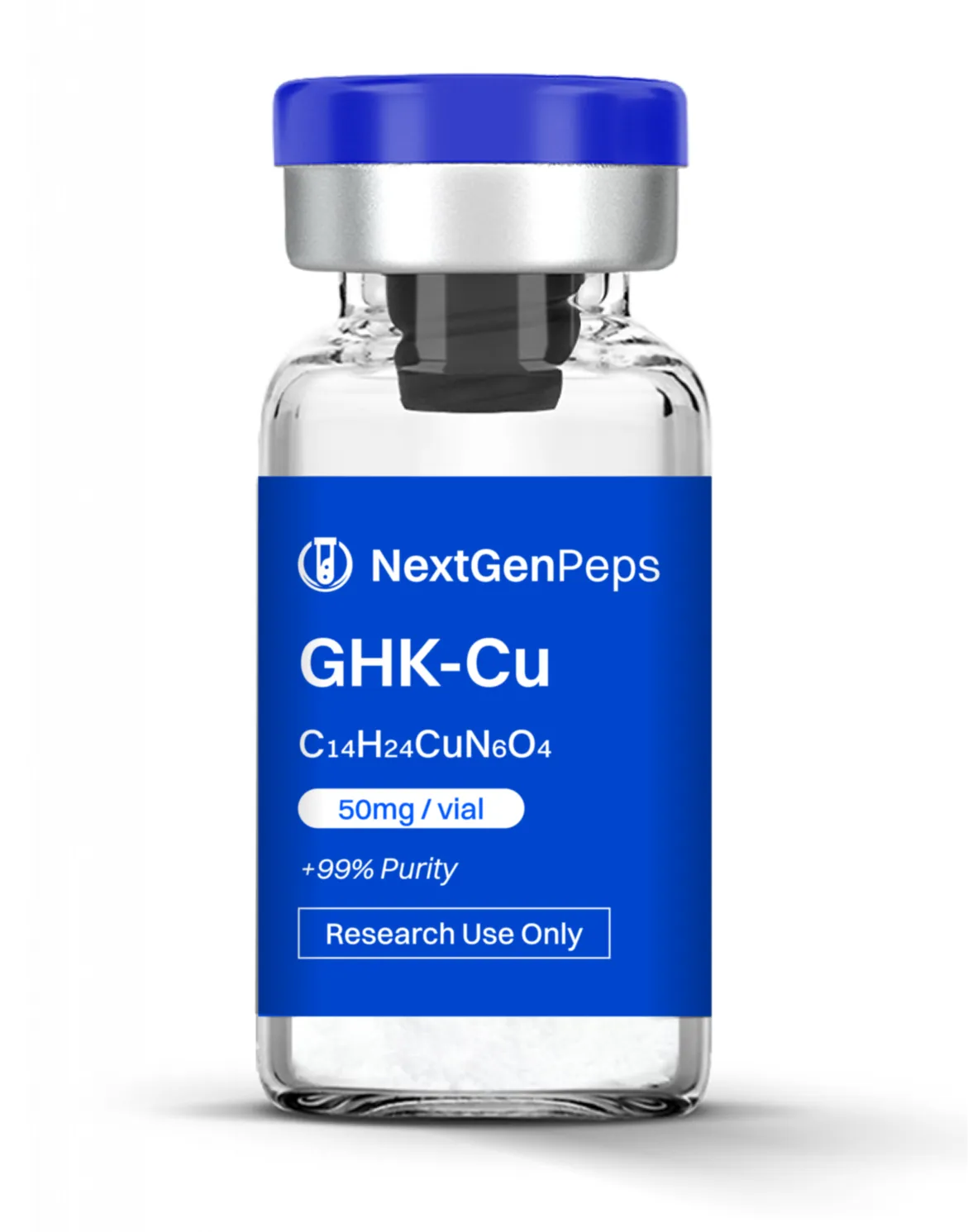
GHK-Cu

✓ 99.73% purity

GHK-Cu

$74.00$59.00

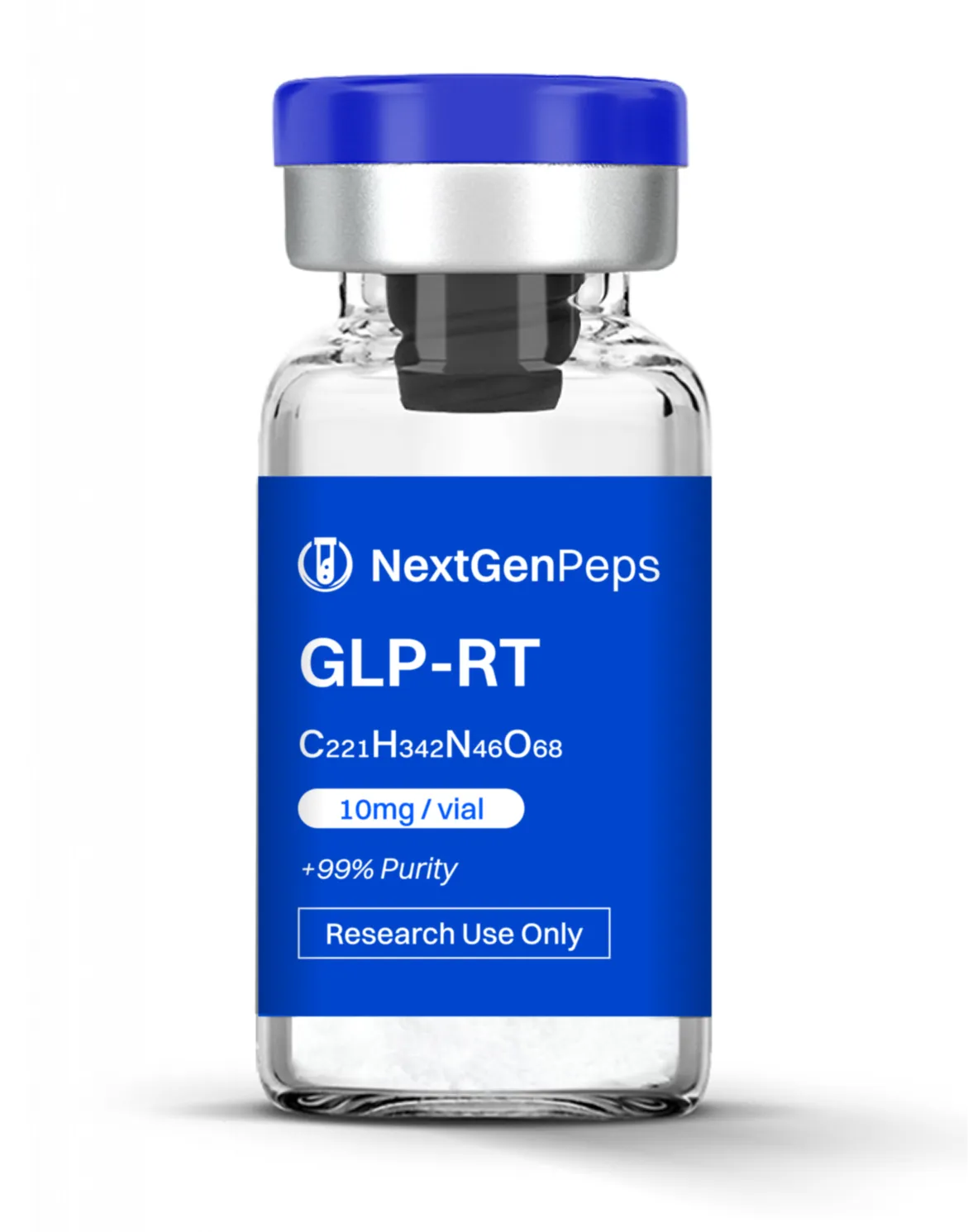
GLP-RT

✓ 99.72% purity

GLP-RT

$89.00$71.00

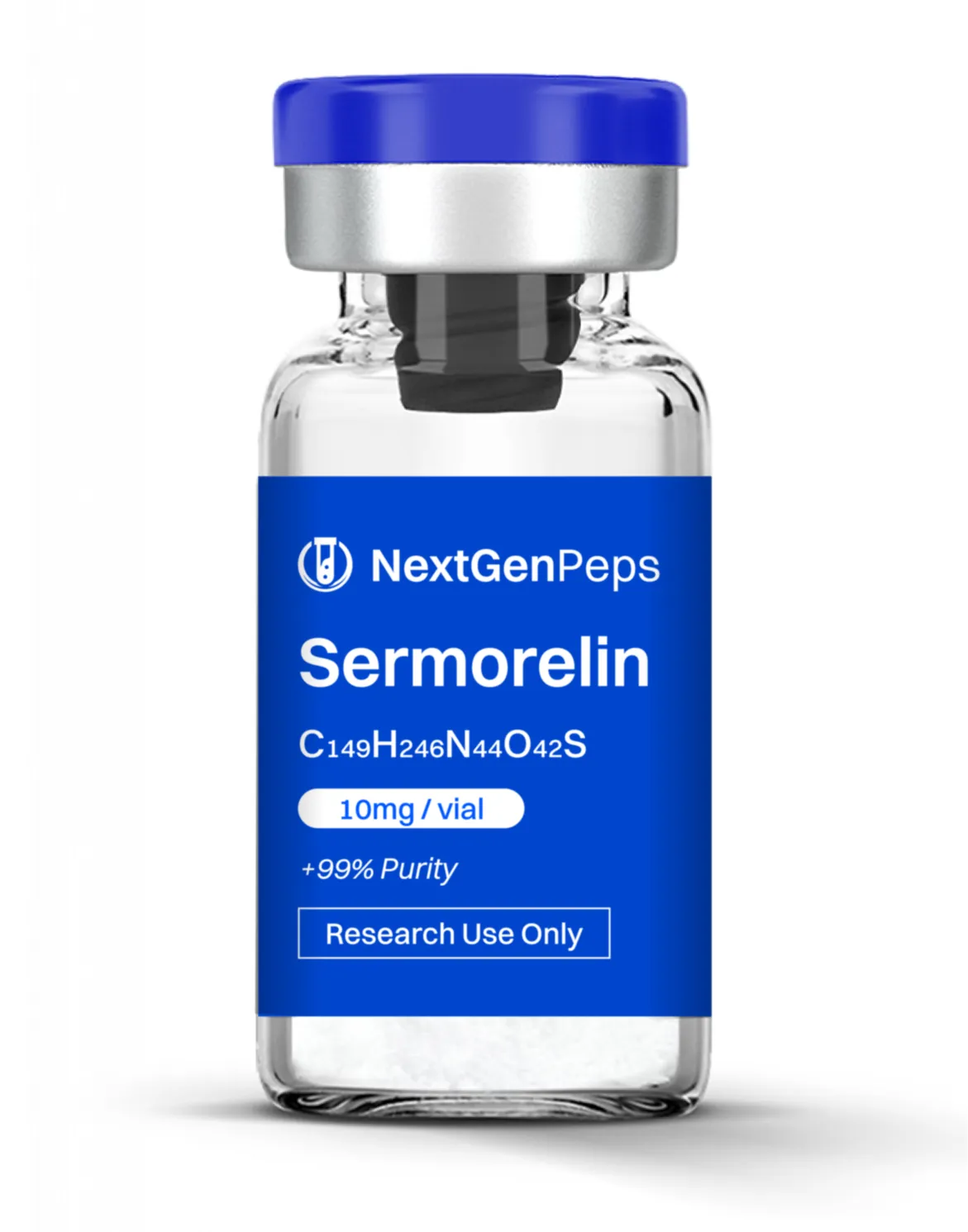
Sermorelin

✓ 98.817% purity

Sermorelin

$78.00$62.00

Semax

✓ 98.848% purity

Semax

$52.00$42.00

You have an unfinished subscription checkout

Continue your saved checkout, or replace its item with . Your saved selection and existing subscriptions will stay unchanged.

Continue saved checkout
NextGenPeps

Reliable and innovative research with our top-grade research materials and novel research compounds tailored to lead the competitive research industry. Choose research quality. Choose NextGenPeps.

Customer Service: +1 (971) 300-1435

Get 10% Off Your First Order

Sign up now and receive a 10% discount code valid on your next purchase!

Nextgenpeps LLC

The statements made within this website have not been evaluated by the US Food and Drug Administration. The materials offered by this company are not intended to diagnose, treat, cure, or prevent any disease. All research materials on this site are for laboratory research and development use only, and are not intended for human use.

NextGenPeps is a chemical supplier. NextGenPeps is not a compounding pharmacy or chemical compounding facility as defined under 503A of the Federal Food, Drug, and Cosmetic act. NextGenPeps is not an outsourcing facility as defined under 503B of the Federal Food, Drug, and Cosmetic Act.

Privacy PolicyTerms & ConditionsAffiliate Program

501 W Broadway Ste A, San Diego, CA 92101

© 2026 NextGenPeps. All rights reserved.

Visa
American Express
Mastercard
PayPal
Discover
Apple Pay