






How is BPC-157 packaged?
BPC-157 is supplied in the product format and quantity shown for the selected variant. Please inspect the sealed package when it arrives and contact support promptly if the package or labeling appears damaged.
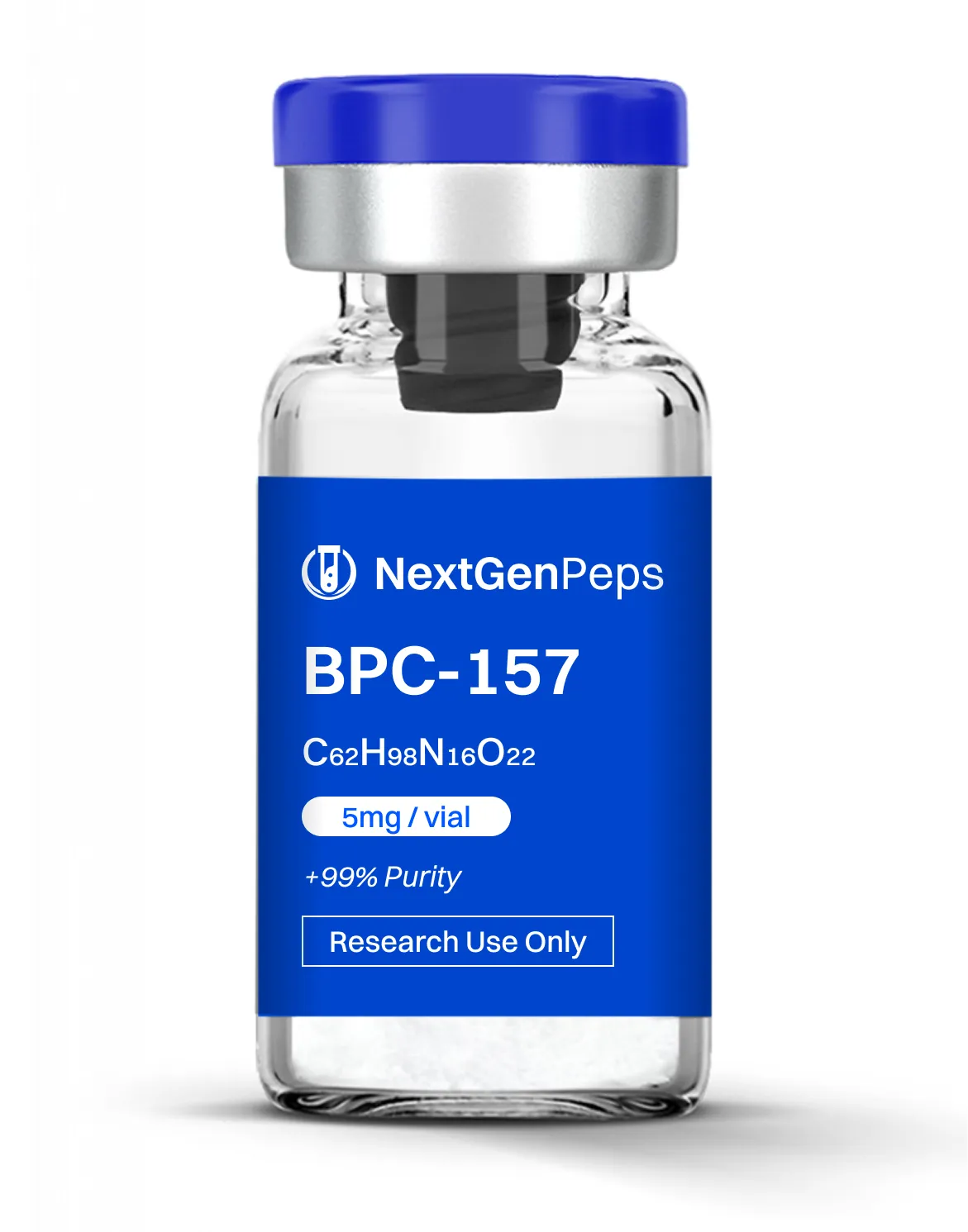
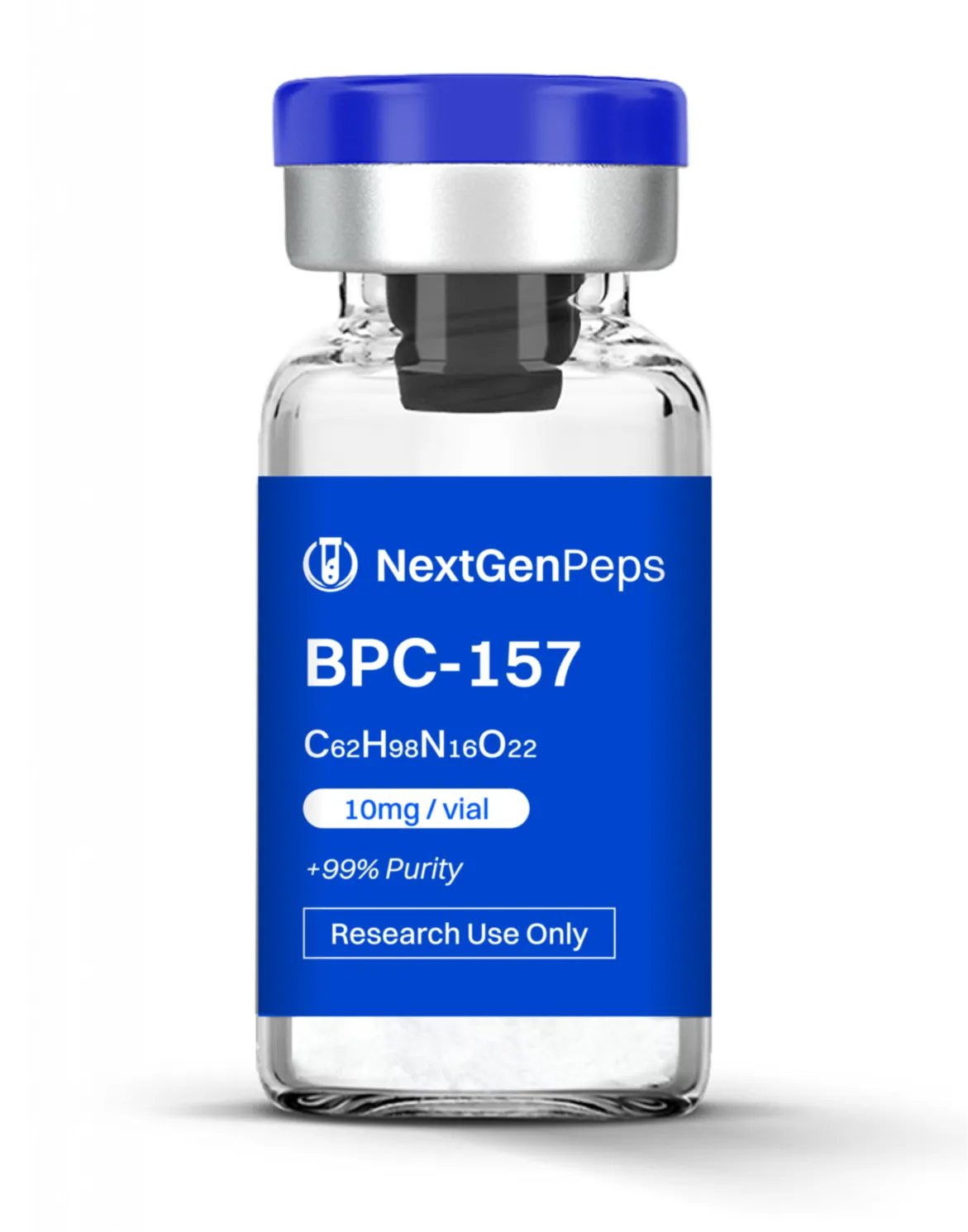
5.0· 4 reviewsout of 5In stock
BPC-157 research vials, a 15-amino-acid pentadecapeptide derived from a gastric protein sequence. Tested for purity, weight and endotoxins, COA published.
Size
Bundle & Save
Need more?
Secure checkout · Visa · Mastercard · American Express · Discover · PayPal · Venmo · Apple Pay
99.748%
Reported purity · Tested by Janoshik
BPC‐157 Research Peptide Overview
BPC‐157 (Body Protection Compound‐157) is a synthetic pentadecapeptide fragment derived from a naturally occurring gastric protein complex, investigated for its broad regenerative, angiogenic, and cytoprotective properties in preclinical models.
Molecular Composition and Mechanistic Profile
Peptide identity: BPC‐157 is a 15–amino acid peptide (pentadecapeptide)
Origin: Synthetic fragment of “body protection compound” (BPC), originally isolated from human gastric juice.
Mechanistically, BPC‐157 has been associated with:
Strong angiogenic activity: stimulation of VEGF/VEGFR2 signaling, increased endothelial cell proliferation, and enhanced “vascular running” (growth of new vessels toward injured areas).
Modulation of nitric oxide (NO) pathways via the Akt‐eNOS axis, improving blood flow, normalizing coagulation, and protecting vascular endothelium, including prevention and reversal of thrombosis in some animal models.
Direct effects on fibroblast migration and proliferation—fibroblast migration rates up to ~2.5× and outgrowth ~3× higher than control in vitro—supporting collagen synthesis and tissue remodeling.
Broad cytoprotective signaling, including ERK1/2 and FAK–paxillin activation, which enhance cell survival, adhesion, and motility at injury sites.
These overlapping pathways help explain its multi‐tissue regenerative profile in preclinical work.
Integrated Research Applications
BPC‐157 is studied across numerous tissue systems as a generalized healing and homeostasis modulator. Representative domains include:
Gastrointestinal and hepatic models: Protection against ulcers, leaky gut, IBS‐like symptoms, Crohn‐type inflammation, and toxic liver injury (e.g., CCl4, NSAID, and alcohol models), with improved mucosal healing and barrier integrity.
Muscle, tendon, and ligament repair: Accelerated healing of tendon and ligament injuries, improved muscle regeneration, and enhanced biomechanical strength, with higher local levels of growth factors such as VEGF, bFGF, and EGF in healing tissues.
Bone, joint, and neuromuscular systems: Benefits in bone repair, spinal cord and peripheral nerve injury, and neuromuscular junction stabilization, including anti‐spasticity and improved functional recovery in some animal models.
Cardiovascular and neurovascular injury: Protection in heart ischemia models, eye injuries, and various CNS insults through combined vascular, anti‐inflammatory, and antioxidative mechanisms.
Overall, BPC‐157 is used as a tool to explore coordinated healing and homeostasis restoration at the levels of blood vessels, connective tissues, and neural structures.
Analytical Validation, Formulation, and Storage
NextGenPeps supplies BPC‐157 as a lyophilized peptide in 5 mg and 10 mg vials, and separately in capsule form, labeled exclusively for research use. Quality and handling features include:
Purity: ≥99% verified by HPLC.
Formulation: White powder in glass vials or encapsulated; intended to be
reconstituted with appropriate solvent for experimental use, with no dosing instructions provided for humans or animals.
Storage recommendations follow standard peptide practice:
Keep lyophilized peptide in a cool, dark, dry environment; long‐term storage typically at or below −20 °C.
Store reconstituted solutions refrigerated, avoid repeated freeze–thaw cycles, and use within lab‐defined time windows.
These conditions support structural stability and reproducible activity across experiments.
NextGenPeps supplies BPC-157 as a high-purity research peptide intended strictly for controlled laboratory use in vitro or in established animal models, such as murine and canine systems. This compound is not approved as a drug, diagnostic, or dietary ingredient, and is not manufactured, packaged, or marketed for human consumption, self-experimentation, clinical application, or any use outside properly designed and ethically approved research protocols.
BPC-157 is supplied in the product format and quantity shown for the selected variant. Please inspect the sealed package when it arrives and contact support promptly if the package or labeling appears damaged.
Orders are shipped within the United States via USPS. Transit times are typically 3–7 business days, depending on destination and carrier conditions. Tracking information is provided when available.
Storage requirements are product-specific. Keep BPC-157 in its original labeled container and follow the product documentation or manufacturer instructions supplied with the order. Contact support if the applicable storage guidance is not available.
Due to the nature of research materials, NextGenPeps orders are final and are not eligible for refunds, returns, or exchanges. Review the shipping and reship policies before ordering.
No. NextGenPeps materials are supplied strictly for laboratory research and development use and are not intended for human or animal consumption, clinical use, diagnostic use, cosmetic use, or dietary use.
5.0out of 5 · 4 reviews
Kept a few vials in frozen storage for months and it still reconstituted the same as it did when I first got it
Jaxon G.
I got an extra BAC water for free after a bulk order, amazing service that keeps me coming back!
Amanda T.
Had the easiest time purchasing this BPC, they really streamlined the process.
Kennith L.
Arrived in excellent condition in secure packaging. Vials had no damage and the solution clarity was fully transparent when reconstituted
Noah E.
BPC-157 is a synthetic 15-amino acid pentadecapeptide derived from a protective protein found in human gastric juice. It is stable in gastric acid and exhibits systemic effects in research models. BPC-157 is studied as a body protection compound in regenerative medicine.
BPC-157 promotes angiogenesis, modulates nitric oxide pathways, and supports tendon and ligament healing in animal models. It reduces inflammation and protects against oxidative stress in gastrointestinal and neurological studies. Research shows it accelerates wound closure and improves muscle recovery. Because a single peptide appears to influence vascular repair, fibroblast behavior, collagen synthesis, and oxidative/inflammatory balance across multiple tissues, it serves as a versatile model for integrated wound healing and tissue regeneration.
BPC-157 is used in research on wound healing, tendon repair, and gastrointestinal protection. Scientists investigate its role in countering NSAID damage, colitis, and muscle injuries. It serves as a tool for studying cytoprotection and regenerative mechanisms. Applications include models of traumatic brain injury and vascular disorders. Preclinical studies report faster healing of GI lesions, tendons, ligaments, bone, and muscle; improved blood vessel growth and flow; protection against thrombosis and excessive bleeding; reduced oxidative and toxic damage; and functional benefits in cardiac, neurological, and musculoskeletal injury models.
BPC-157 primarily provides protective signaling, vascular repair, and anti-inflammatory effects through growth factor modulation. TB-500 focuses on actin sequestration to promote cell migration and cytoskeletal remodeling. BPC-157 is more localized and gastroprotective, while TB-500 has stronger systemic effects on mobility and angiogenesis. They target overlapping but distinct healing phases. Researchers often combine them for broader regenerative coverage in studies.
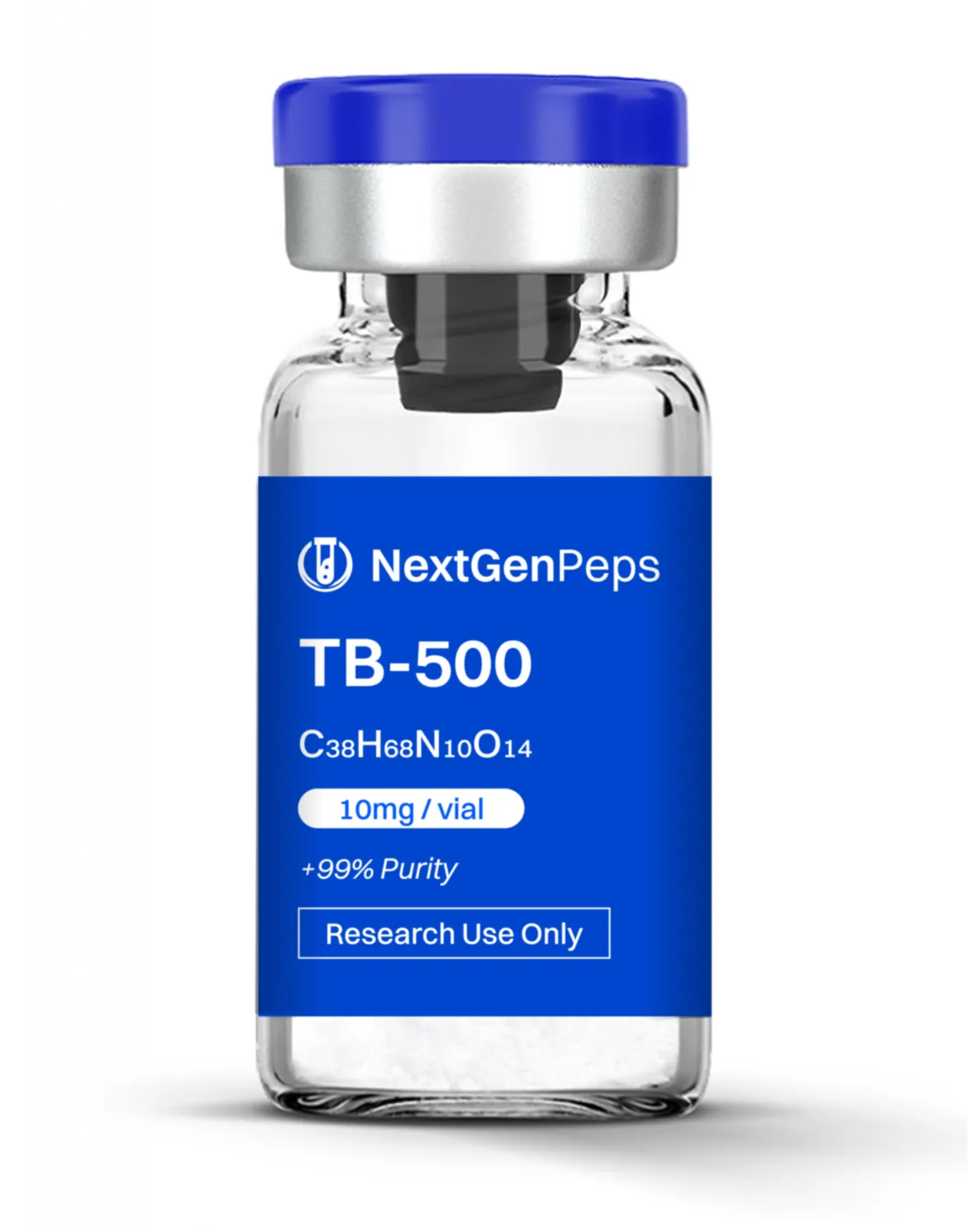
✓ 99.77% purity
$72.00$58.00
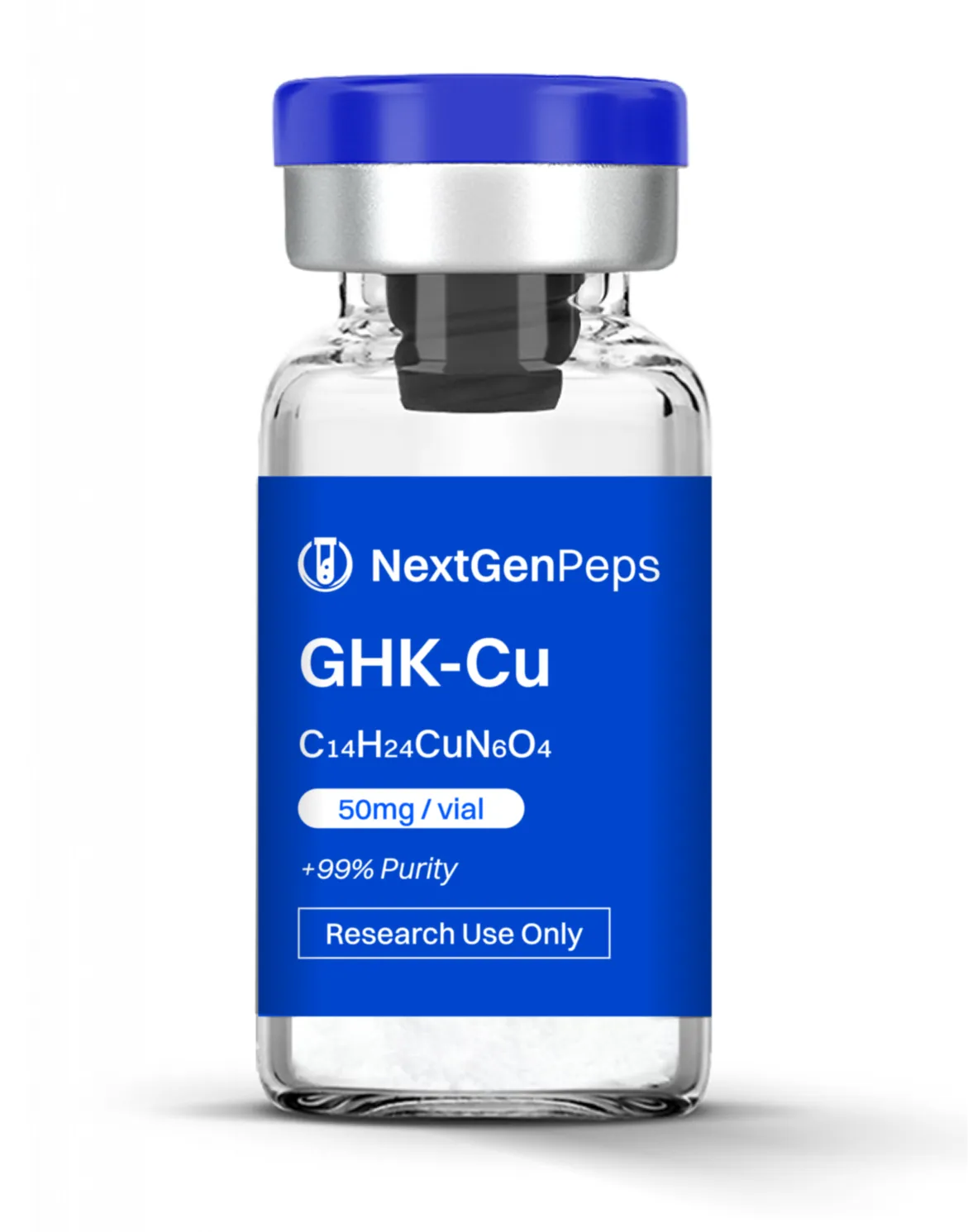
✓ 99.73% purity
$74.00$59.00
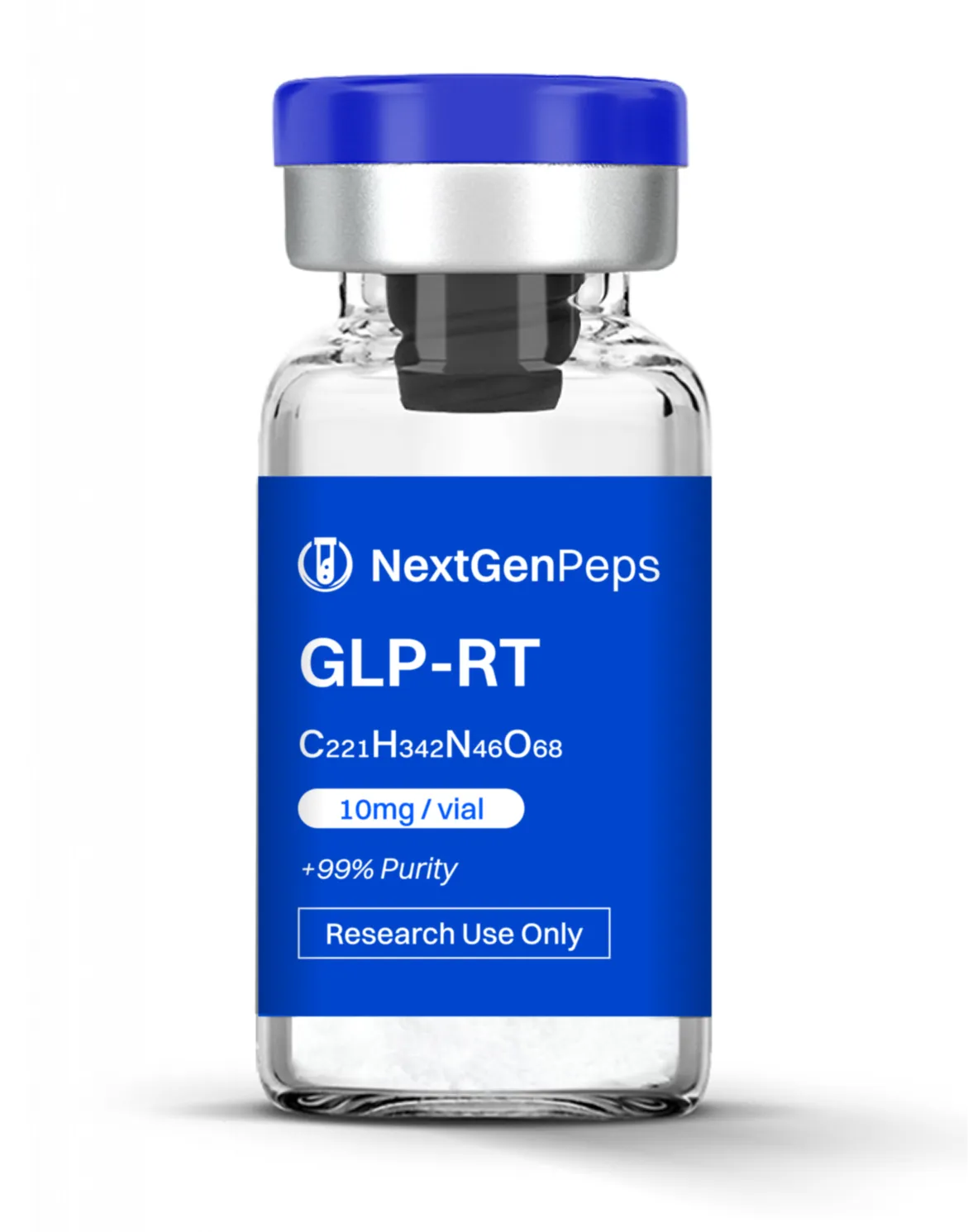
✓ 99.72% purity
$89.00$71.00
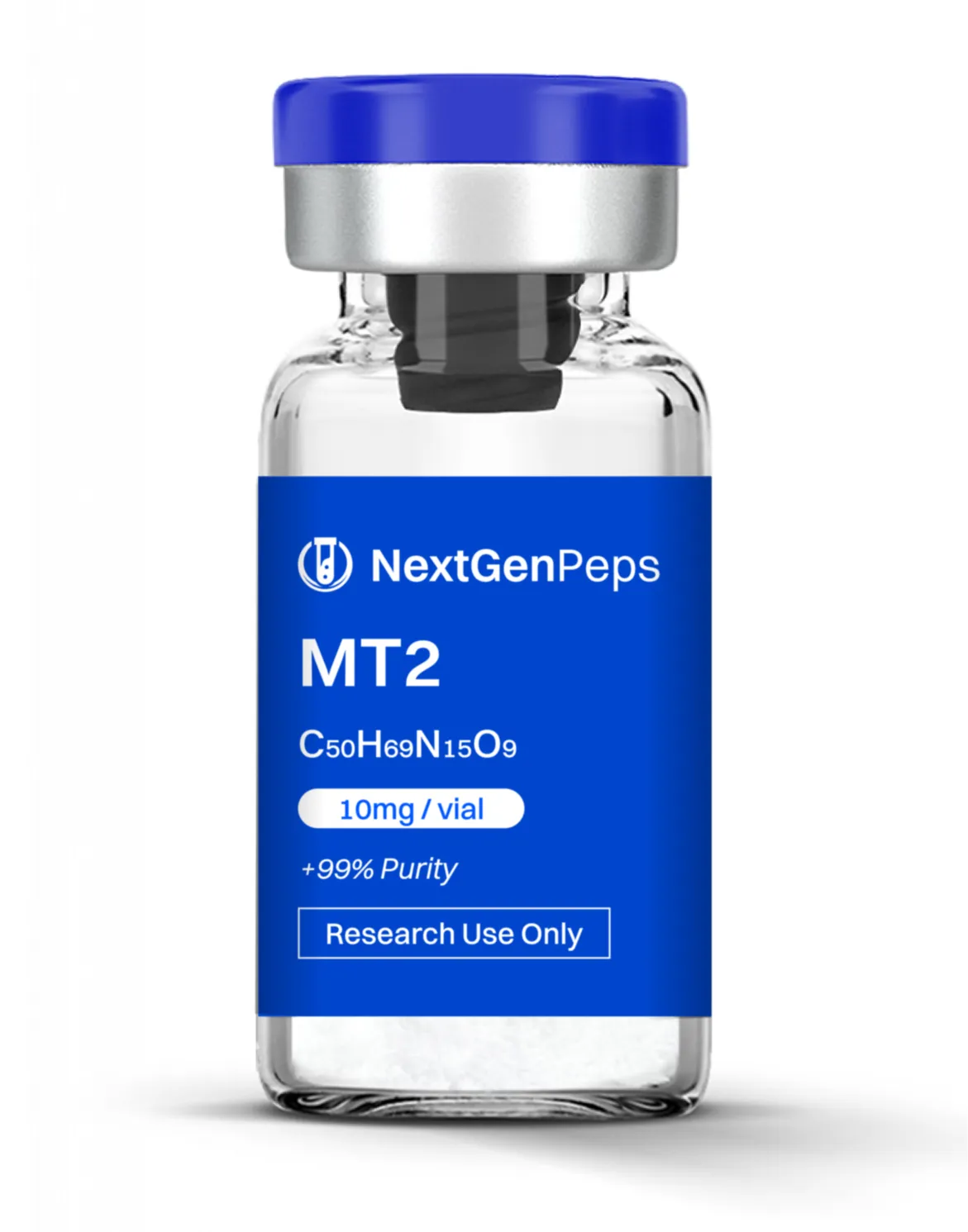
✓ 99.715% purity
$44.00$35.00
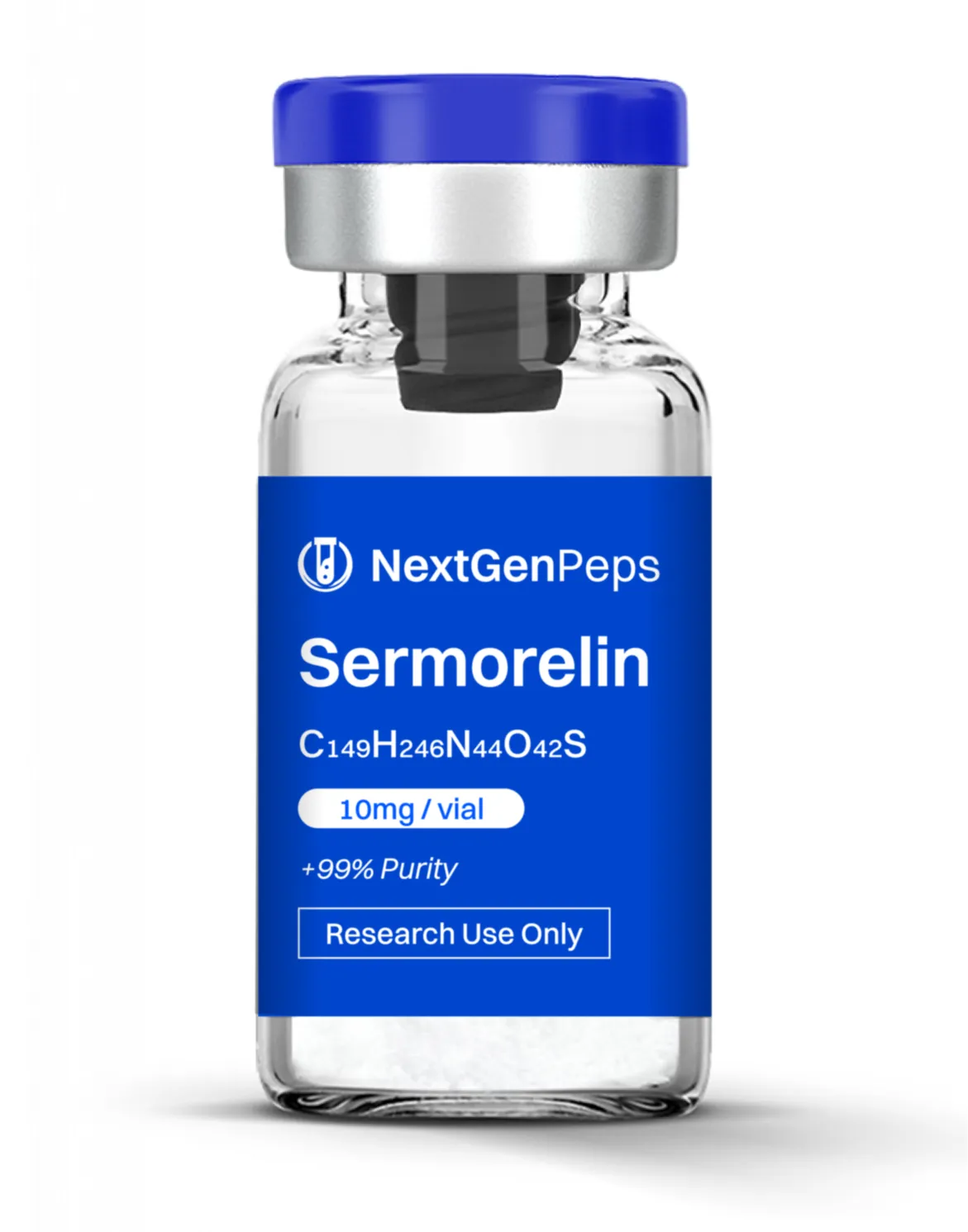
✓ 98.817% purity
$78.00$62.00